Where do the wooden boats go?
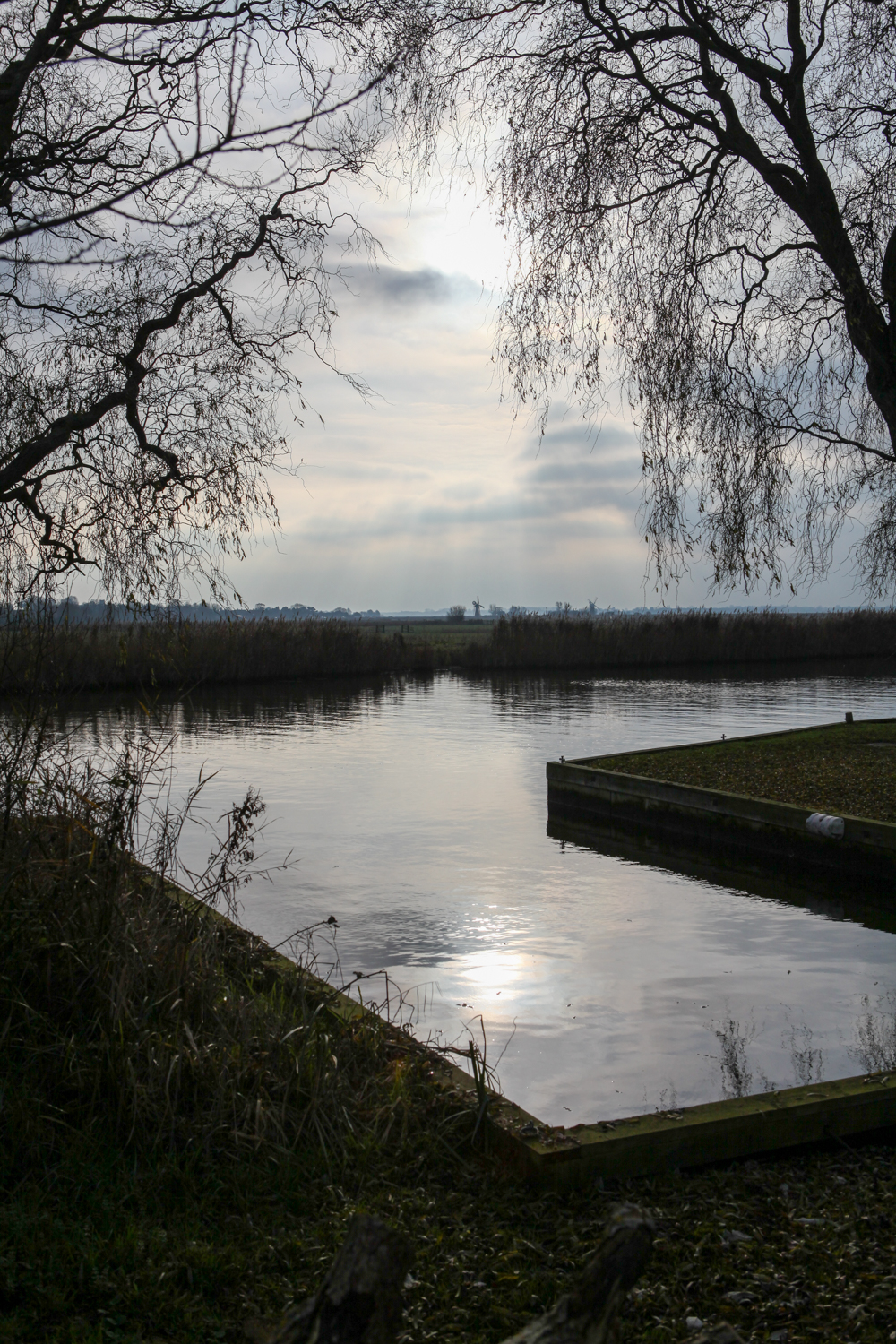
It is winter on the Norfolk Broads. All the pleasure cruisers have disappeared. It is quiet, a bit cold and, despite the watery sunshine, somewhat bleak and gloomy.
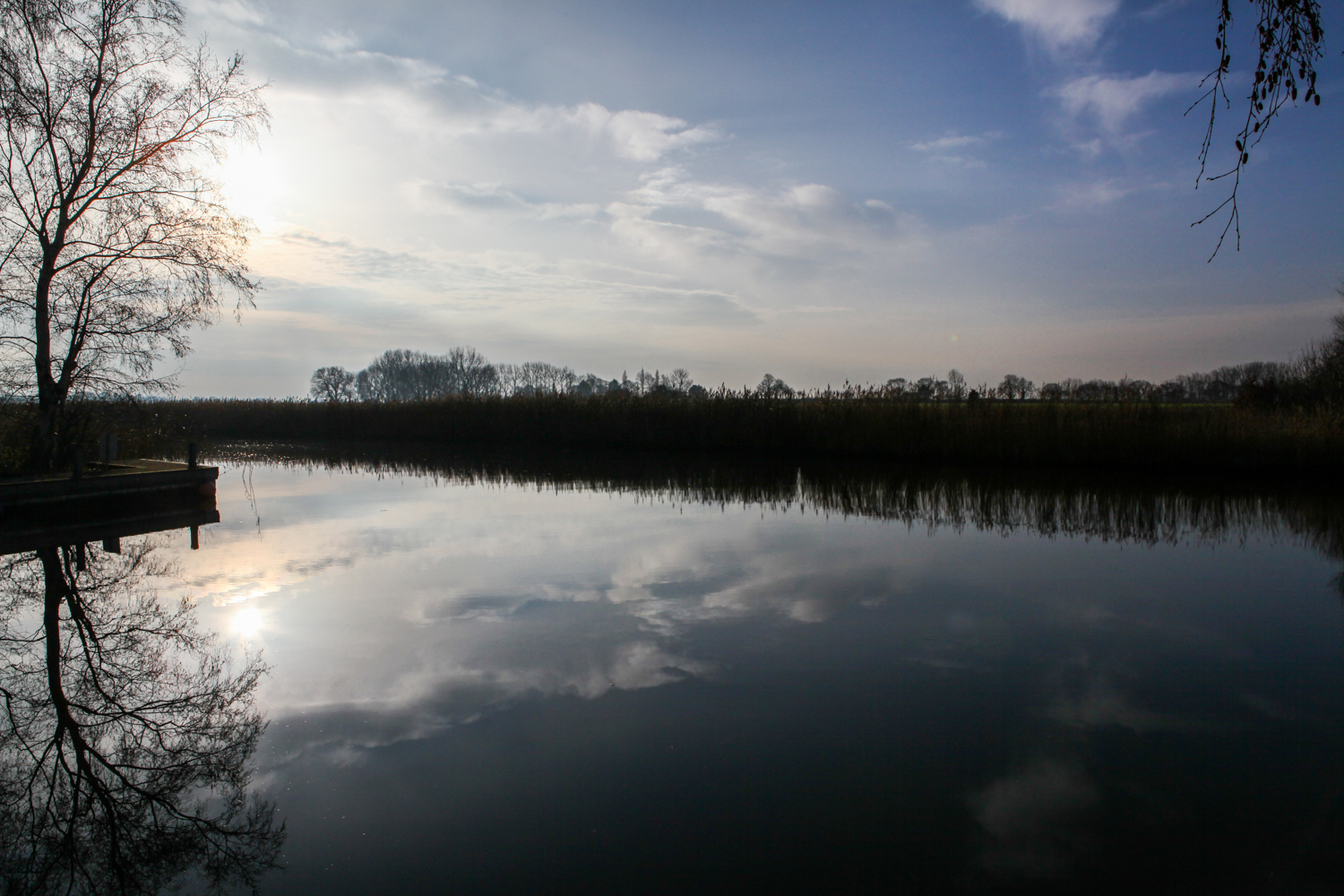
These are typical January photographs taken close to Hickling Broad.
Many who live by the rivers and perhaps the lucky people who come to the area for holidays may recognize the distinctive sail shape of a wherry.
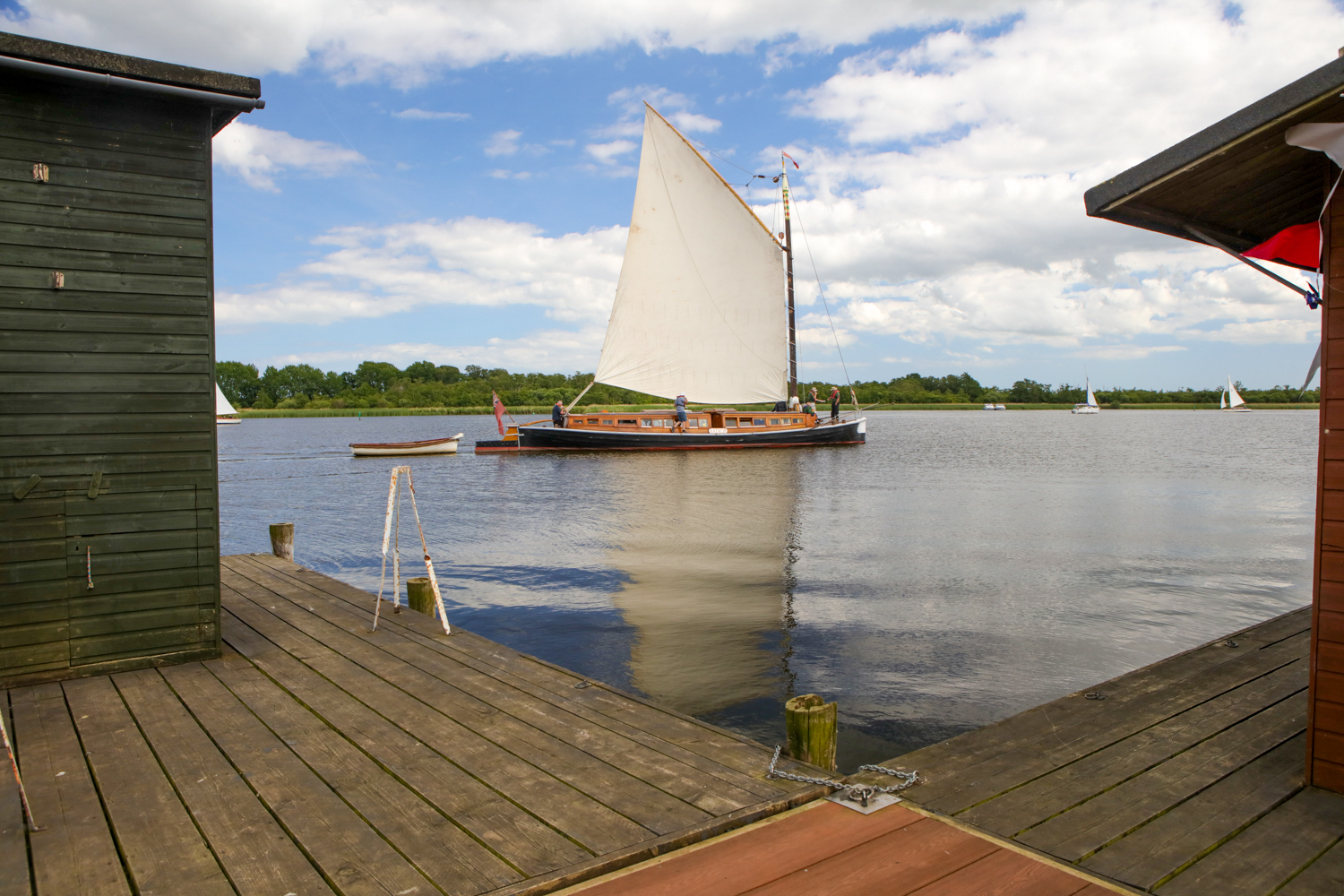
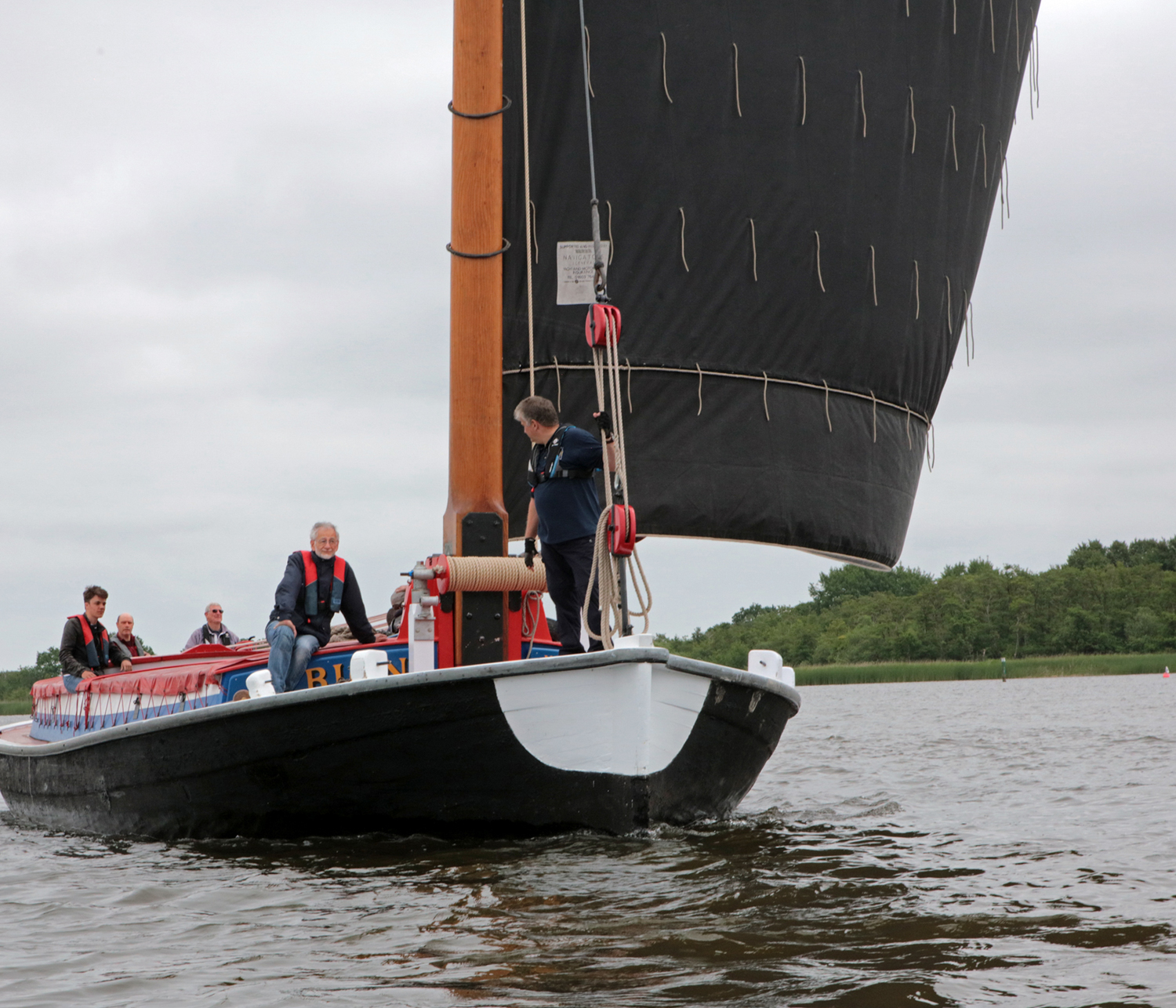
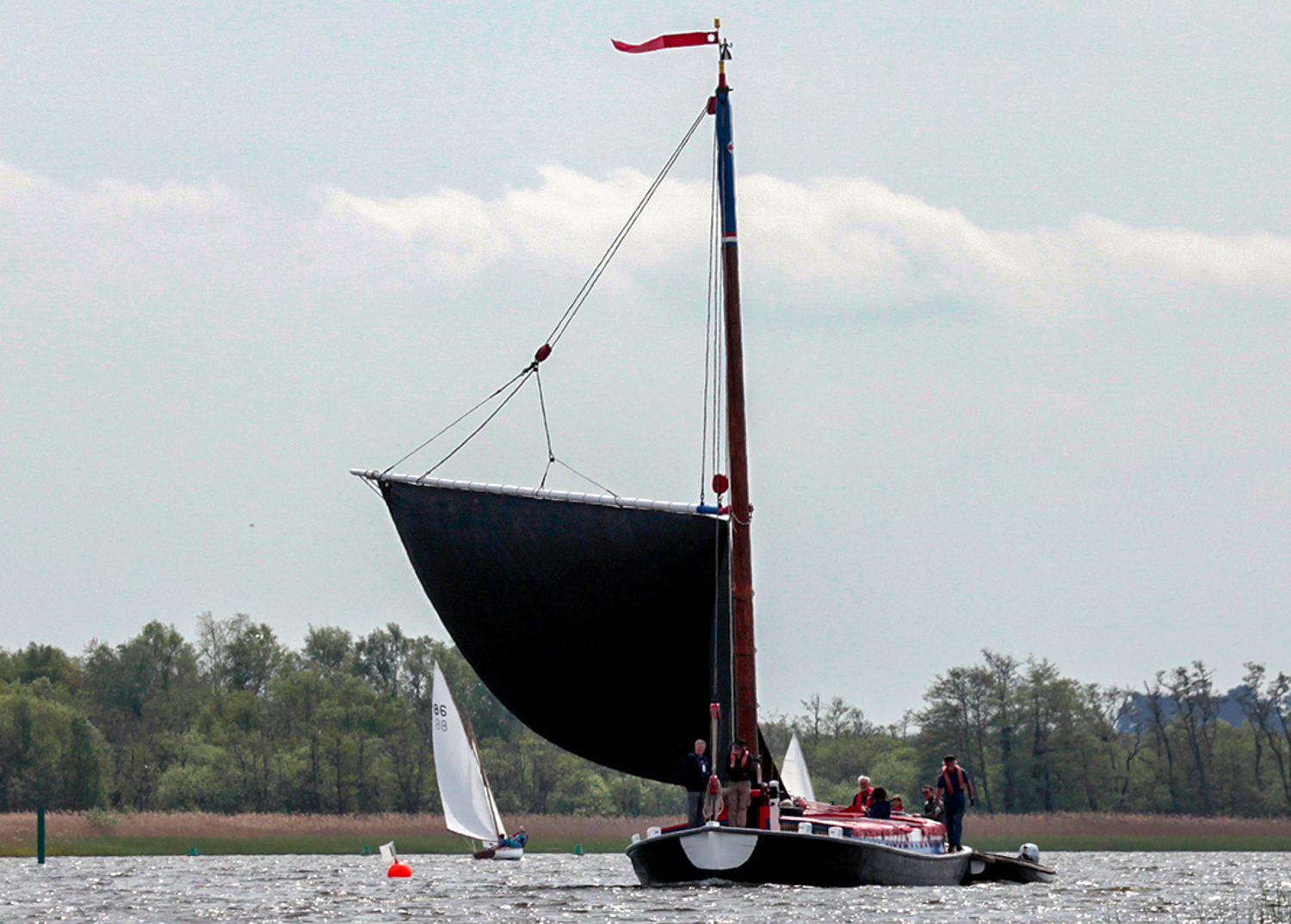
These transport workhorses of yesteryear spend the winter months being renovated, repainted and sort of hibernating over the winter months.
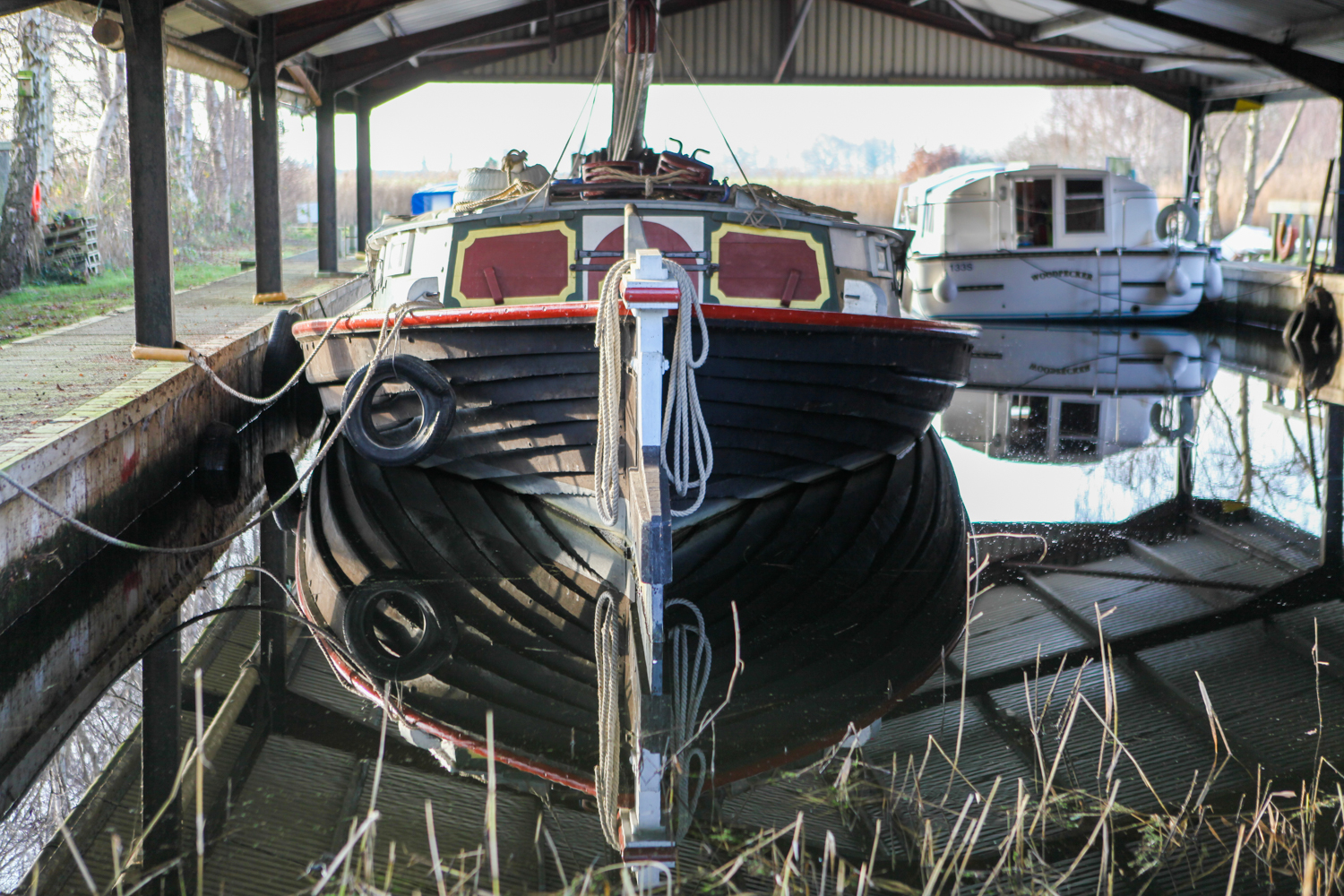
The same is true of the wooden pleasure craft – some of which are known as the “Heritage Fleet.” Each Autumn they are taken out of the water cleaned and stored in at least one very large boat shed.
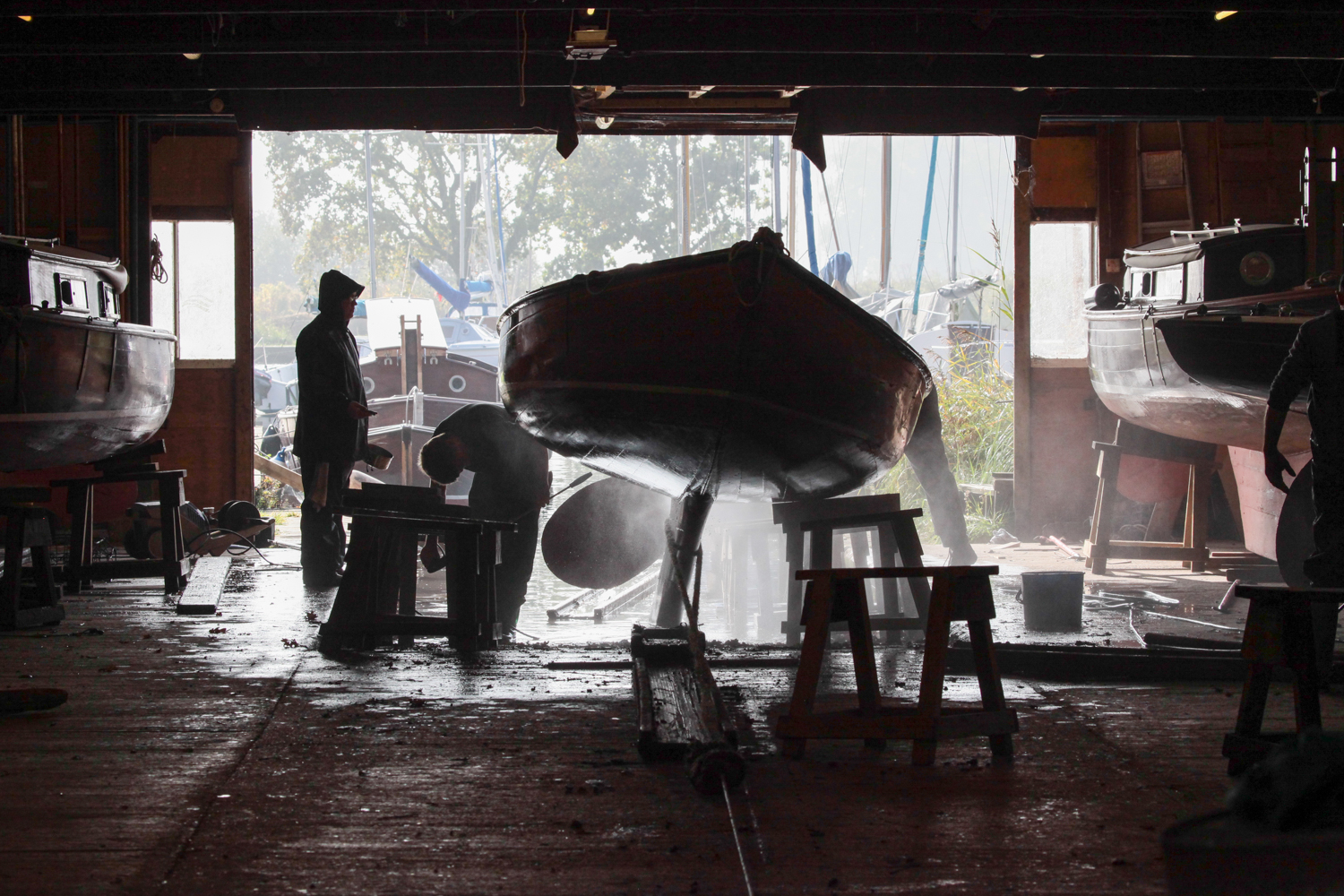
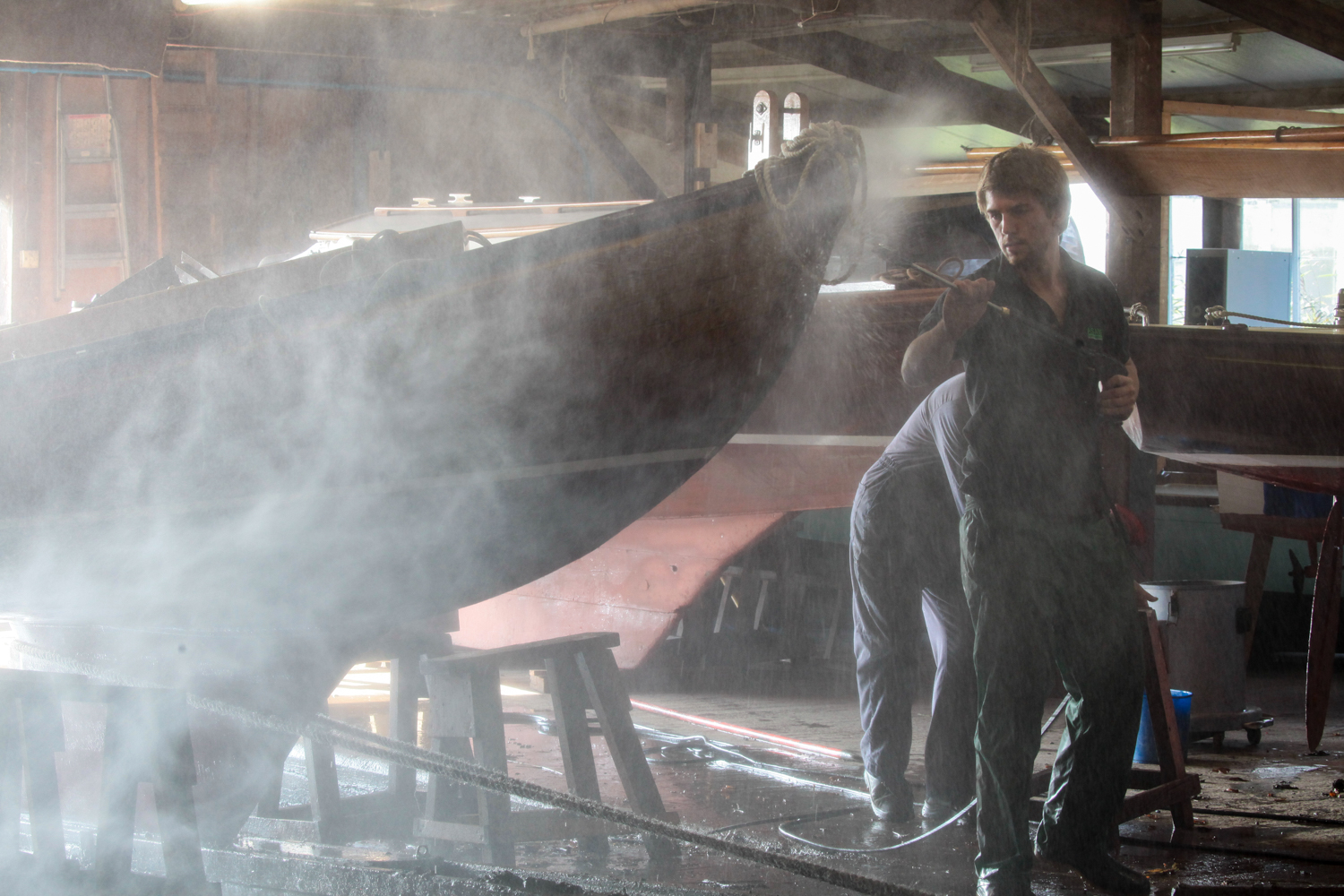
There teams of workmen spend the winter months working on the boats. This is a massive task because each plank has to be inspected and if necessary removed, repaired or replaced. These men are craftsmen who continue the practices employed by the early boat builders of the area. They tell me that it is something of an uphill struggle these days to get all the boats ready to go back into the water by Easter.

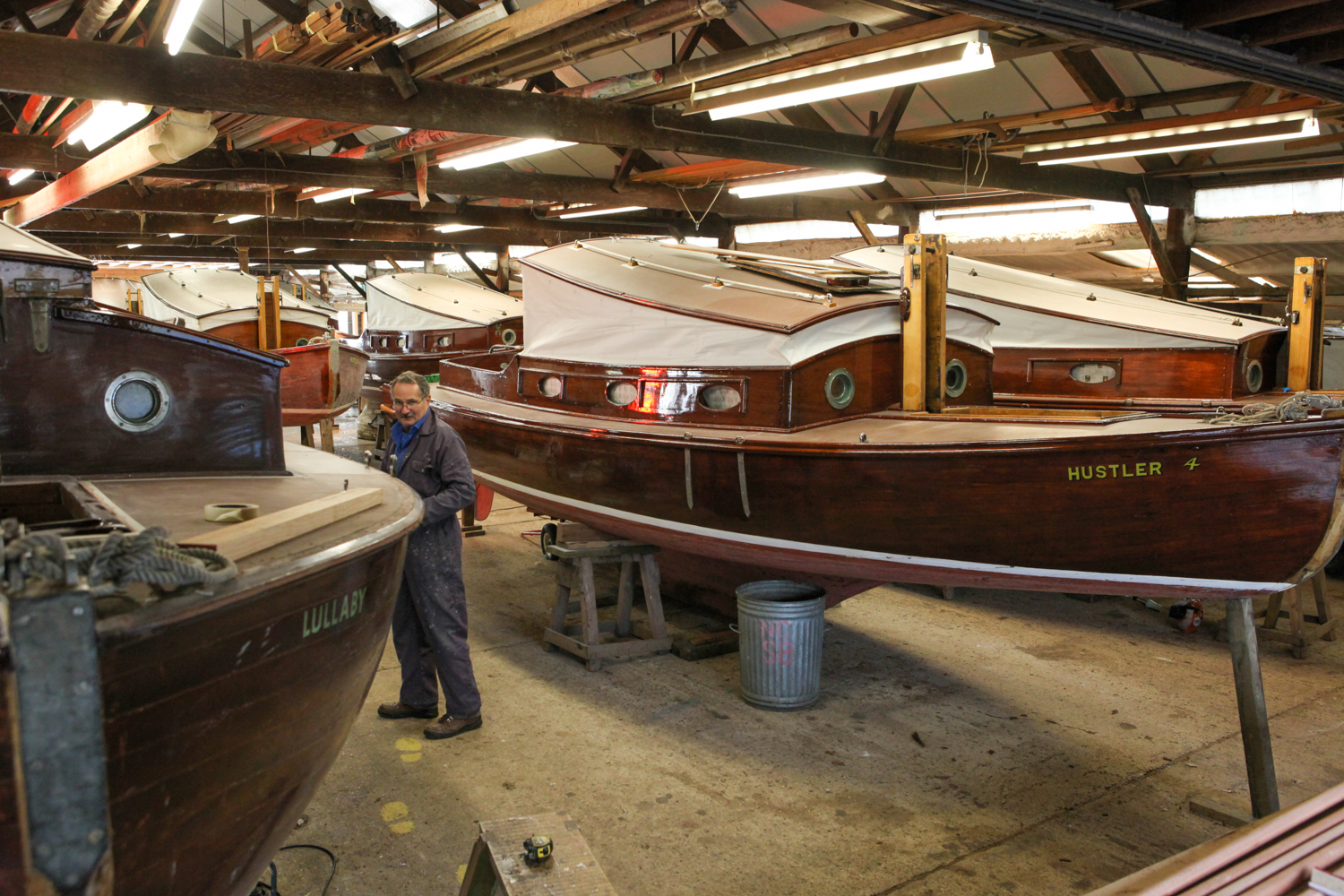
This is steady, hard and at times cold work – despite modern heating appliances. (You can’t have too much heat when they are dealing with wooden boats!)
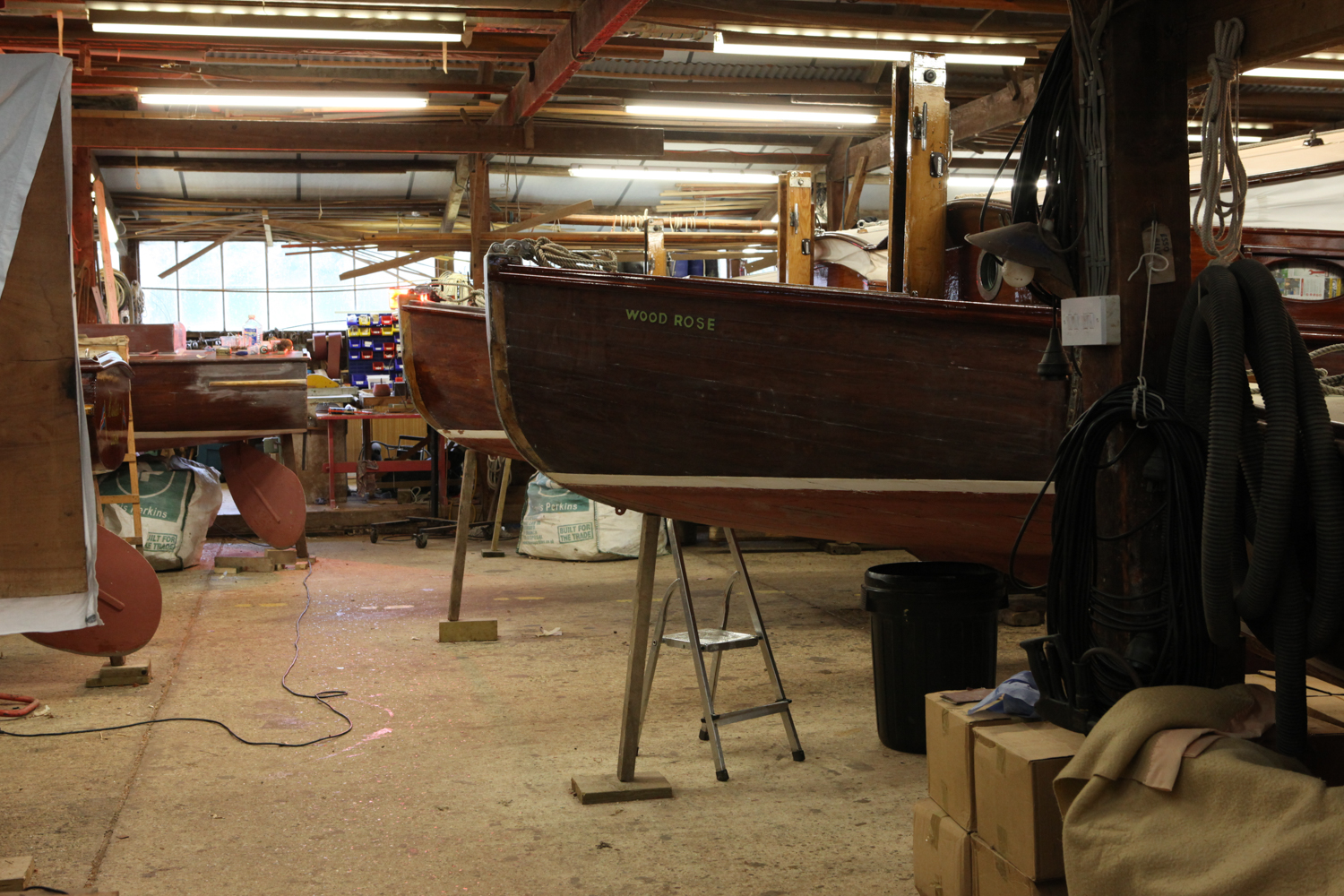
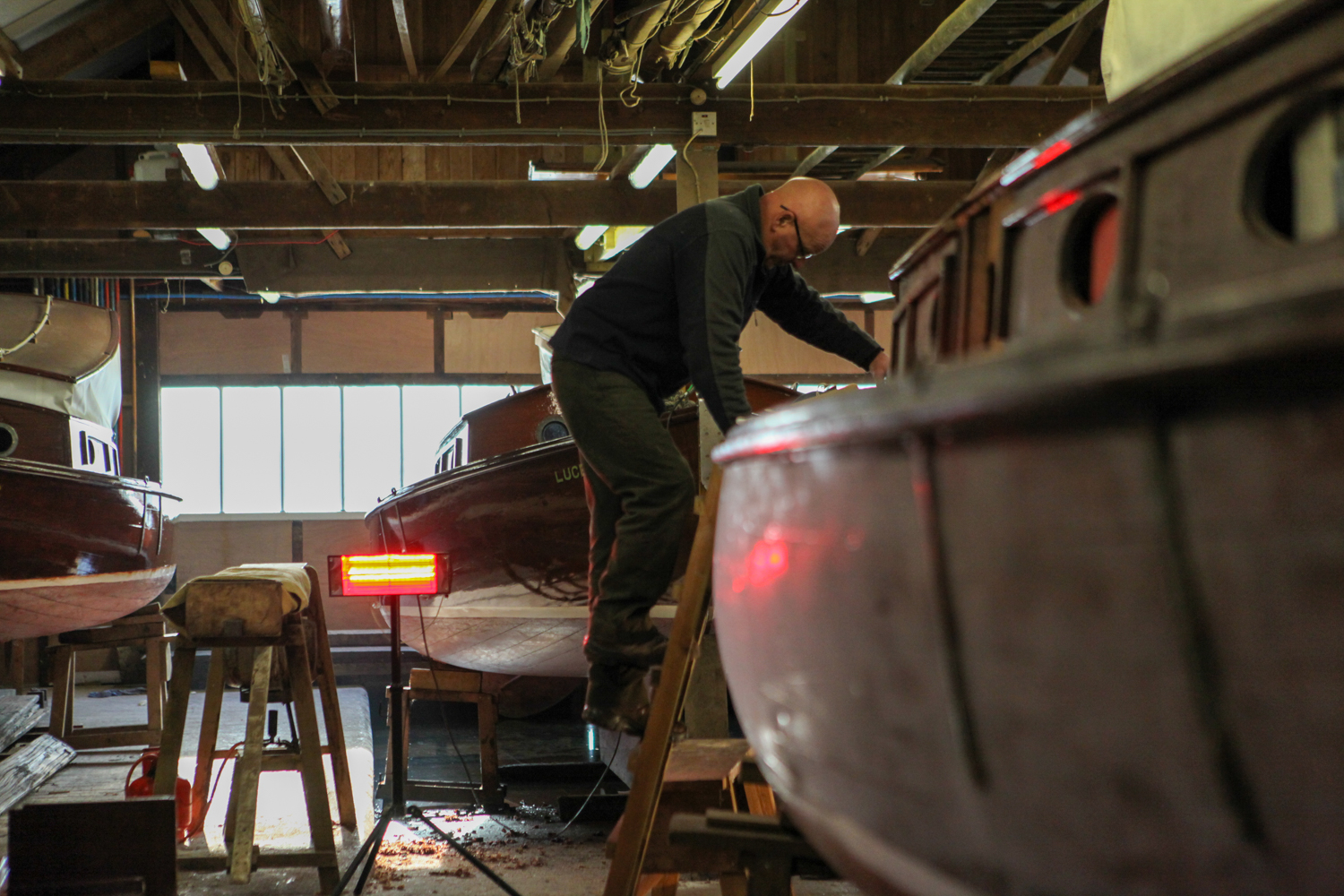
It is always a delight to visit the sheds and see craftsmen at work . It is always a pleasure later on in the year to see the cruisers sailing. I strongly suspect that many of those who hire them remain completely unaware of the work that has gone in to each boat during the winter months.
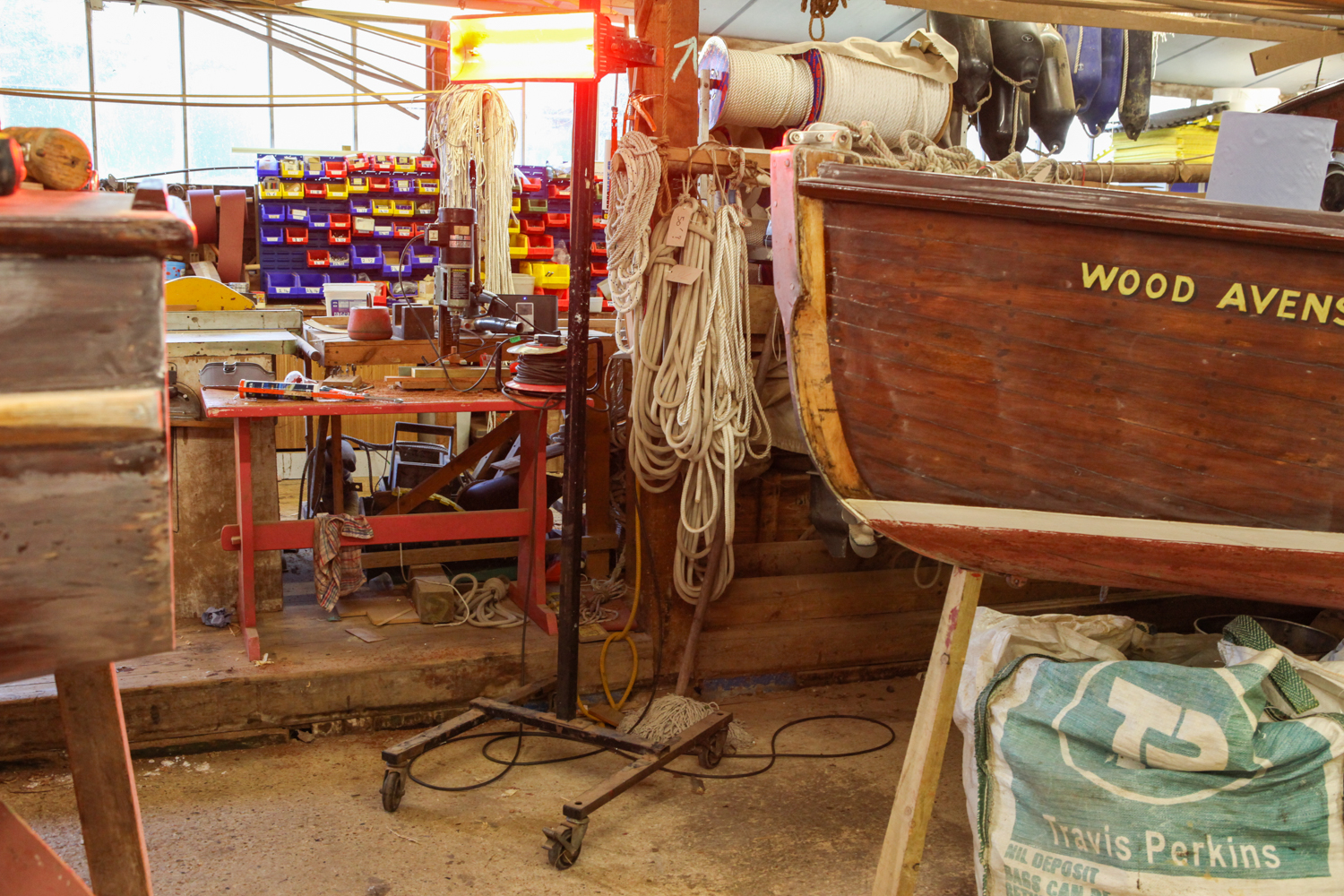
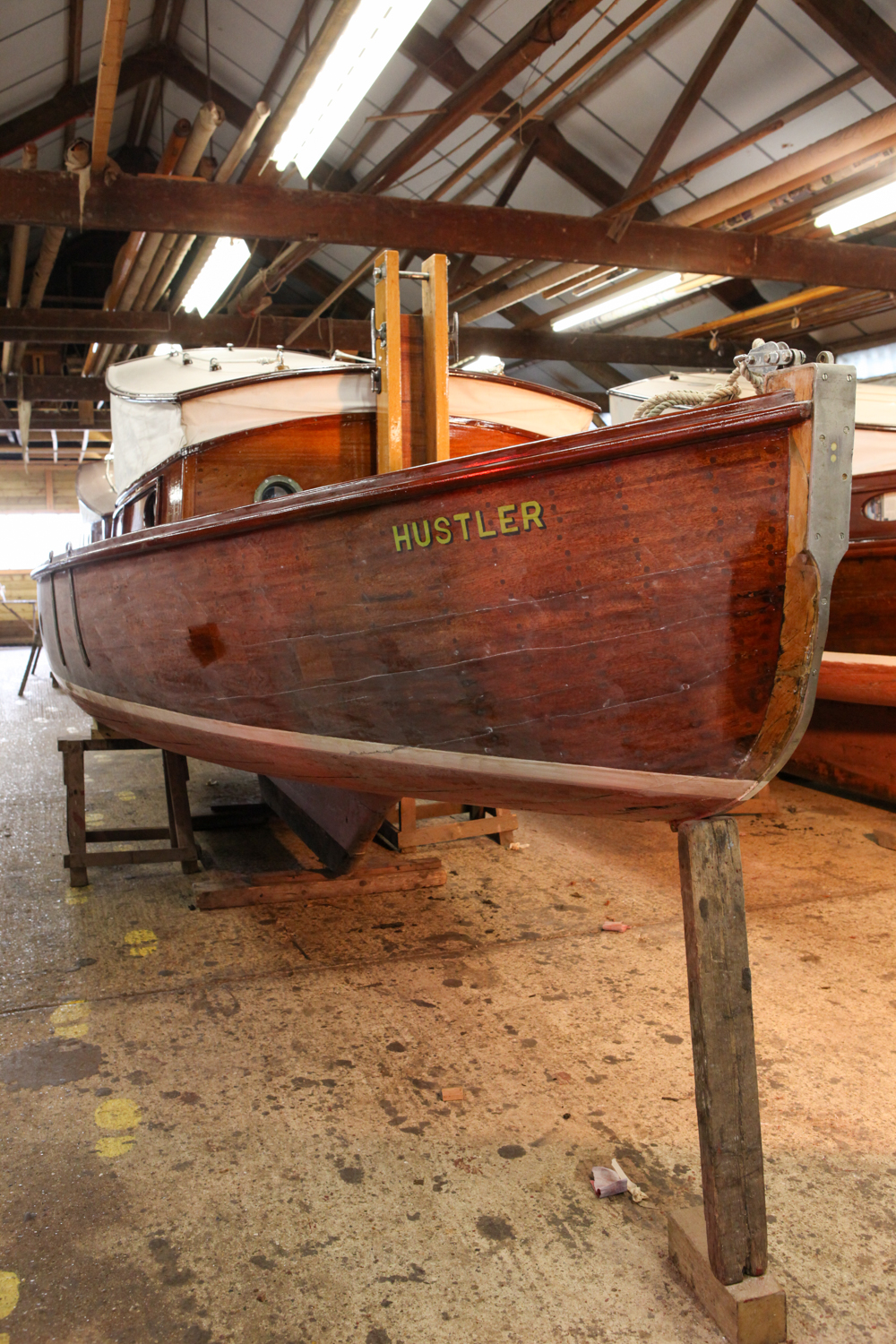
It could be a good debate “which is the more precious the boat or the cargo?”
Discuss!