But it looked purple to me!
It was suggested that the Sea Lavender might be good this year (everything in our garden has been growing like billy-o !) As one local photographic association had organised a visit to Stiffkey in North Norfolk, I thought it might be worth a look.
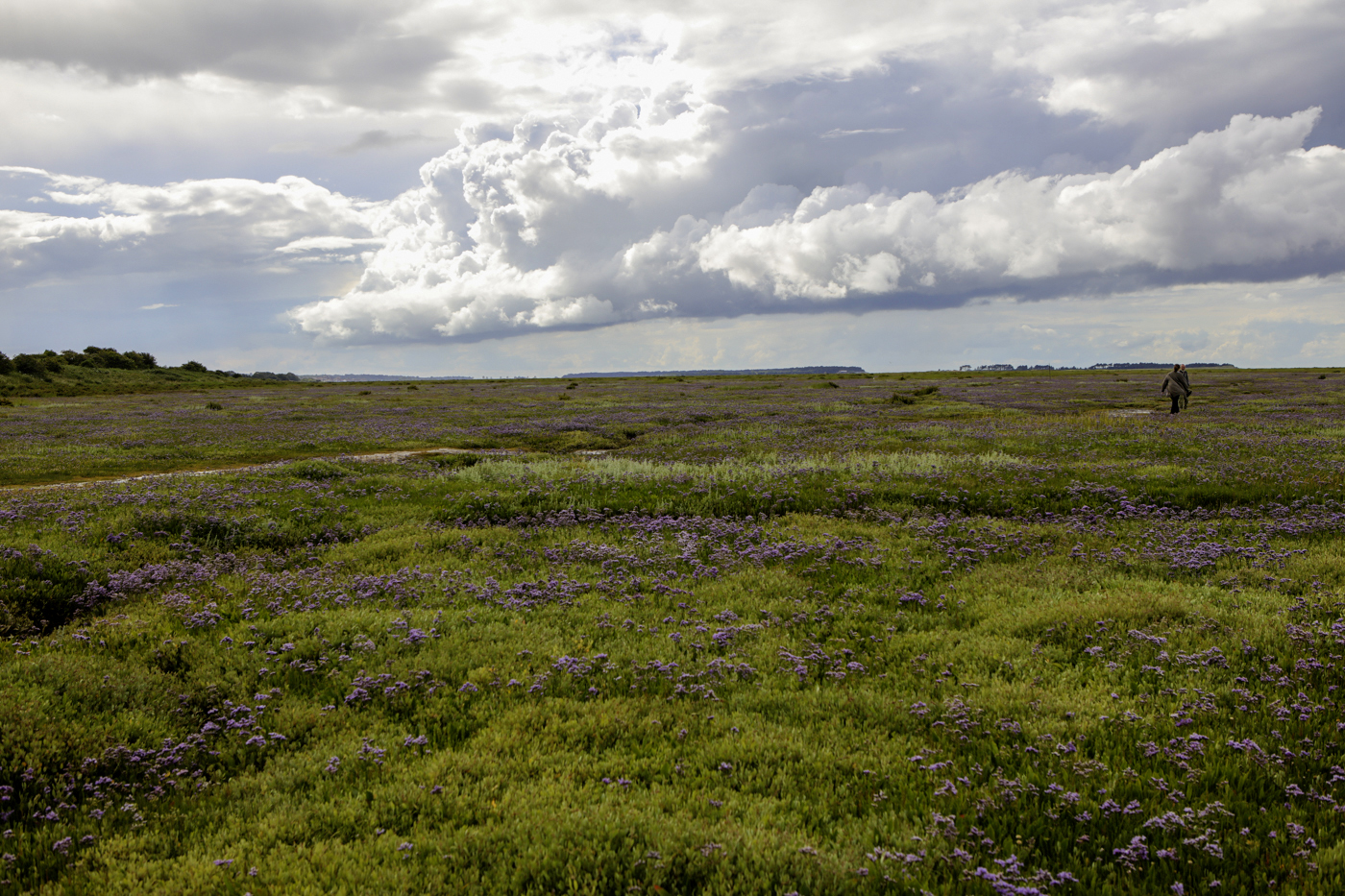
Fully briefed – I went for a pre-event peep. “It’s sea lavender…you can’t miss it! – and by the way it’s purple” (that was just in case I did miss it.)
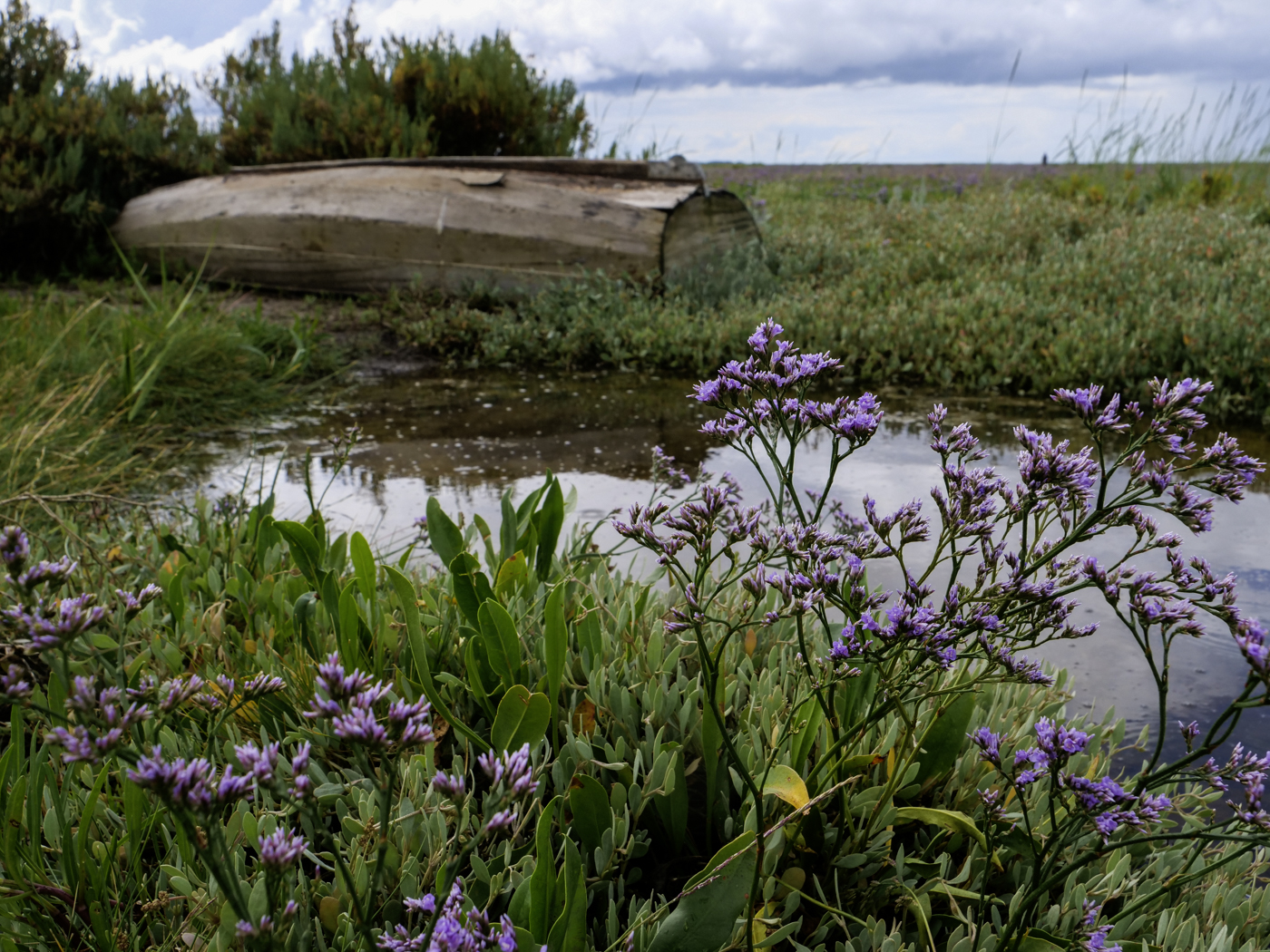
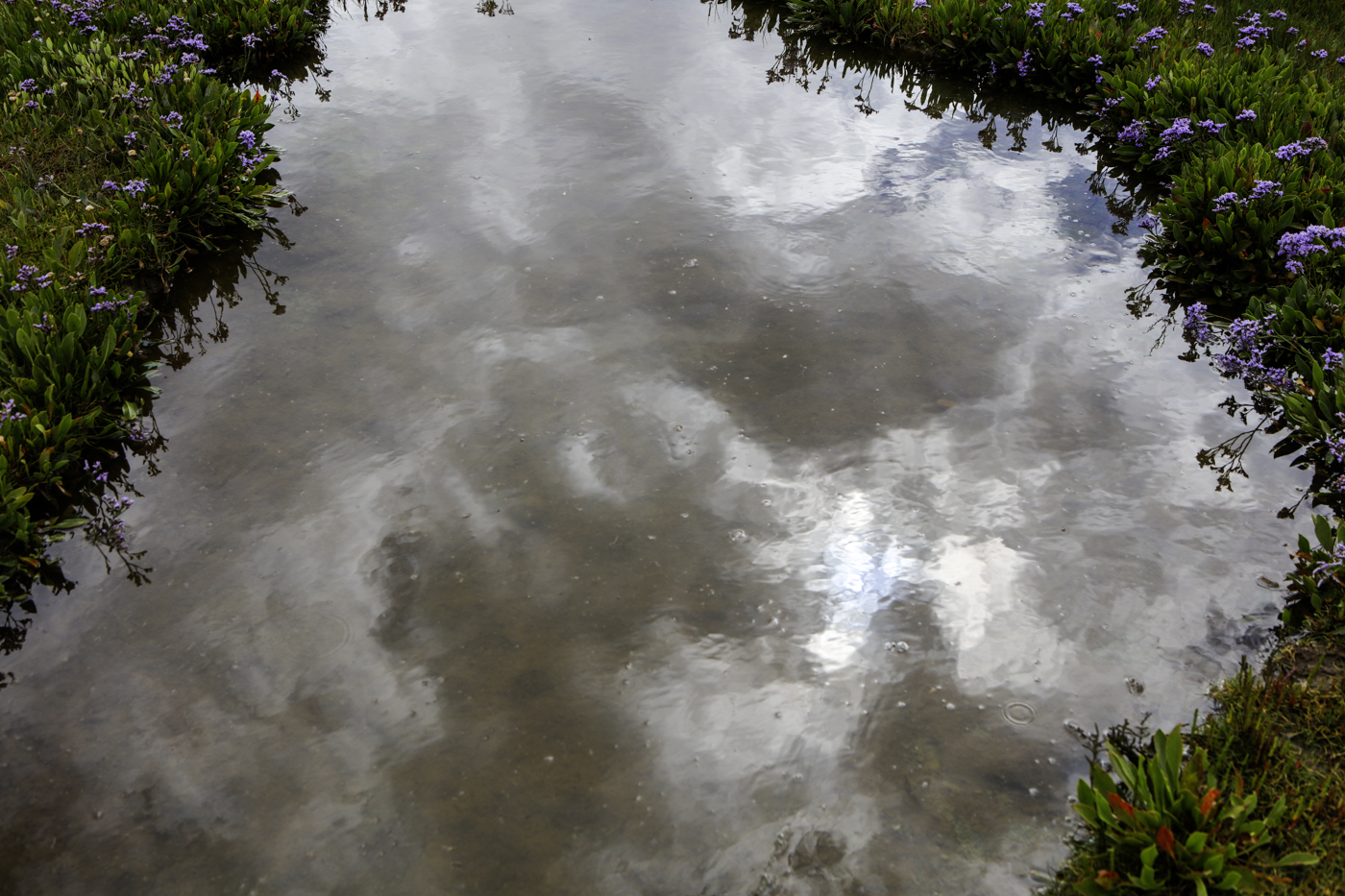
All I know about Stiffkey is that the main road through the village is terribly narrow; and almost a century ago they had a dodgy vicar. However off I went full of hope. But there were problems.
First – there seemed to be many purple coloured plants.
Second – when I eventually located the lavender it was quite difficult to get to it.
Let’s run them through
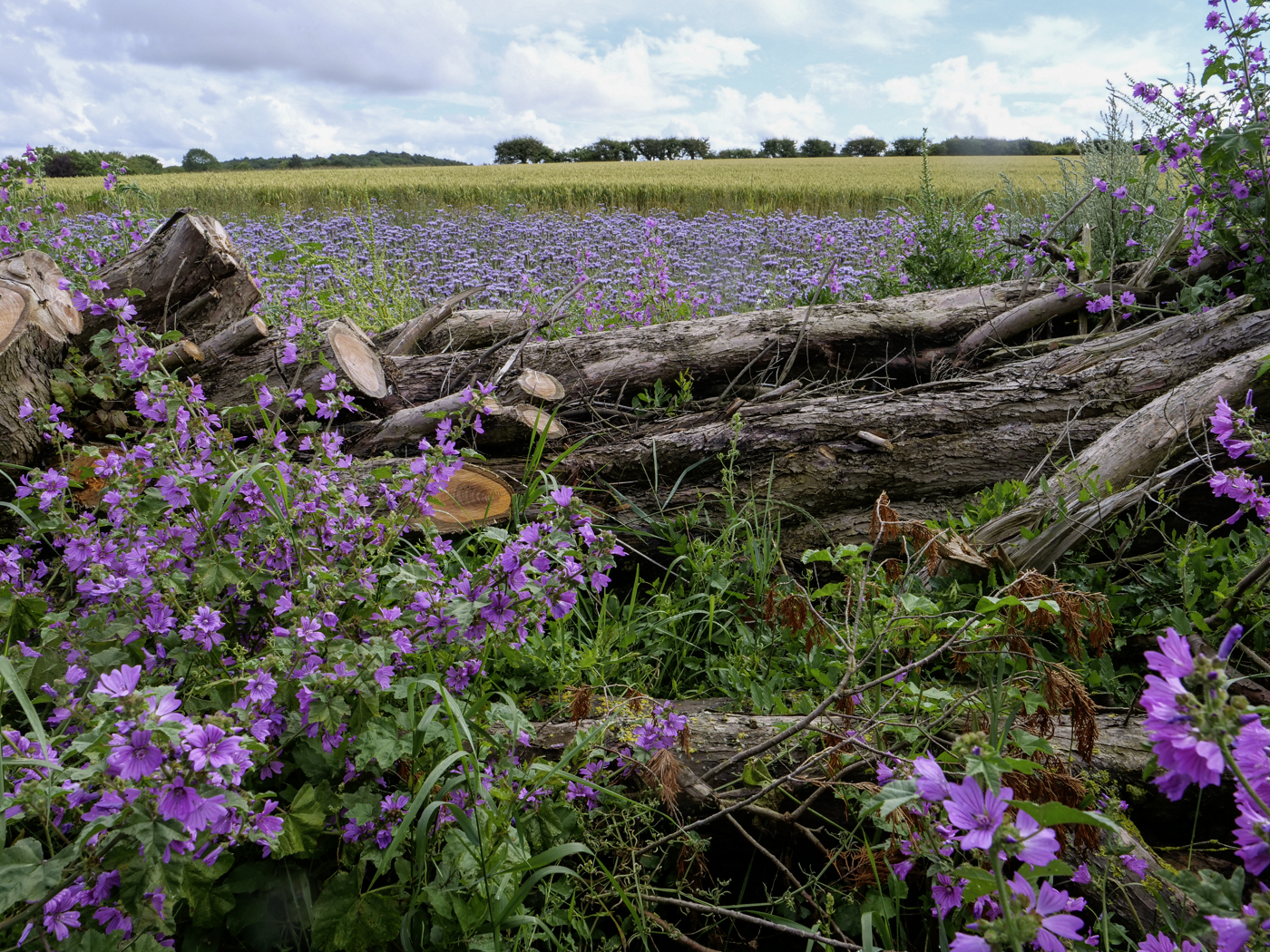
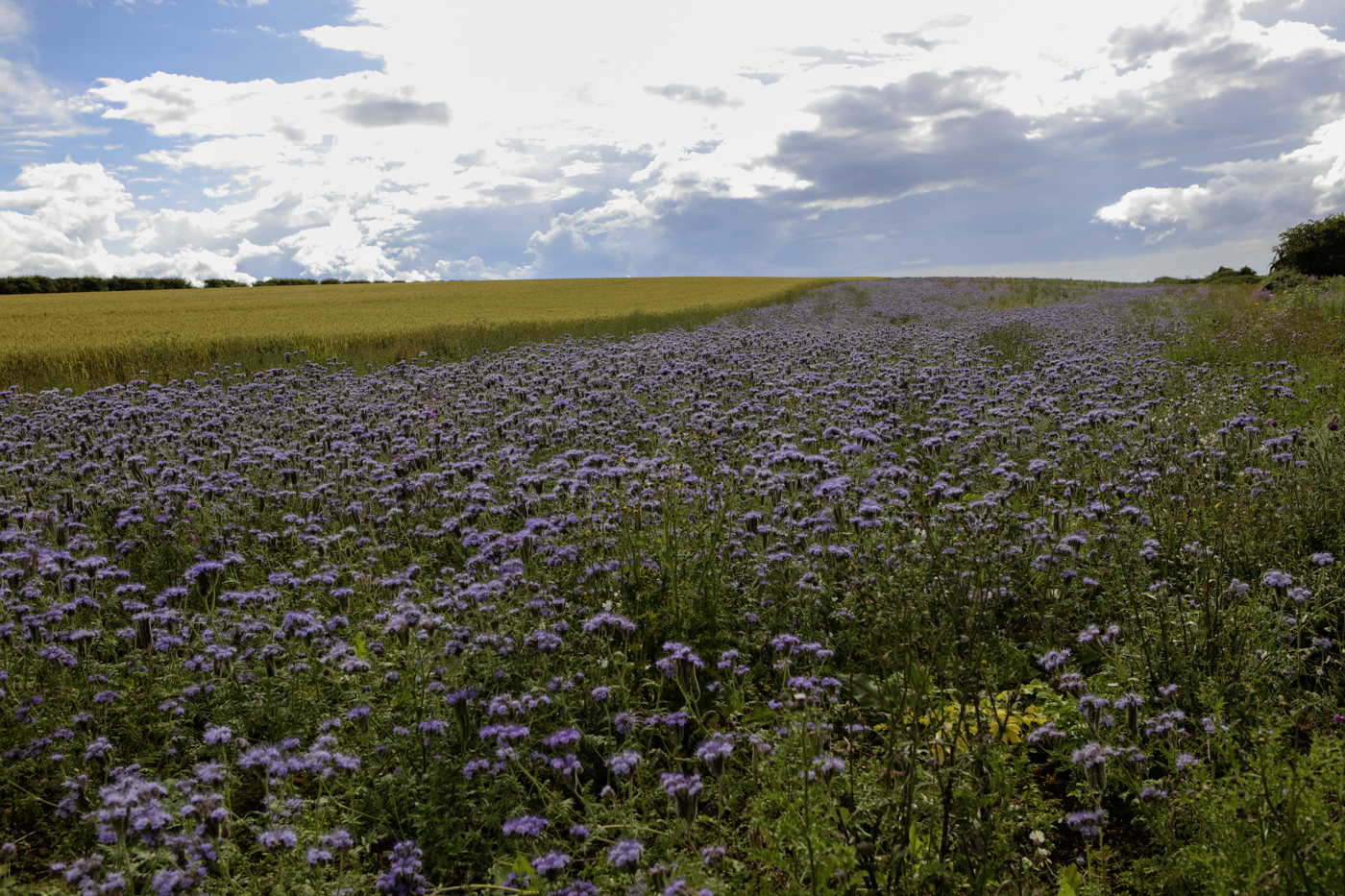
This looked fantastic and one could see it from miles away. Clearly though it wasn’t lavender. At first I thought the farmer had sown thistles in the field but eventually learnt it was called Phacelia. Apparently it is good for wildlife and can be ploughed back into the soil as a fertilizer.
Then I found this
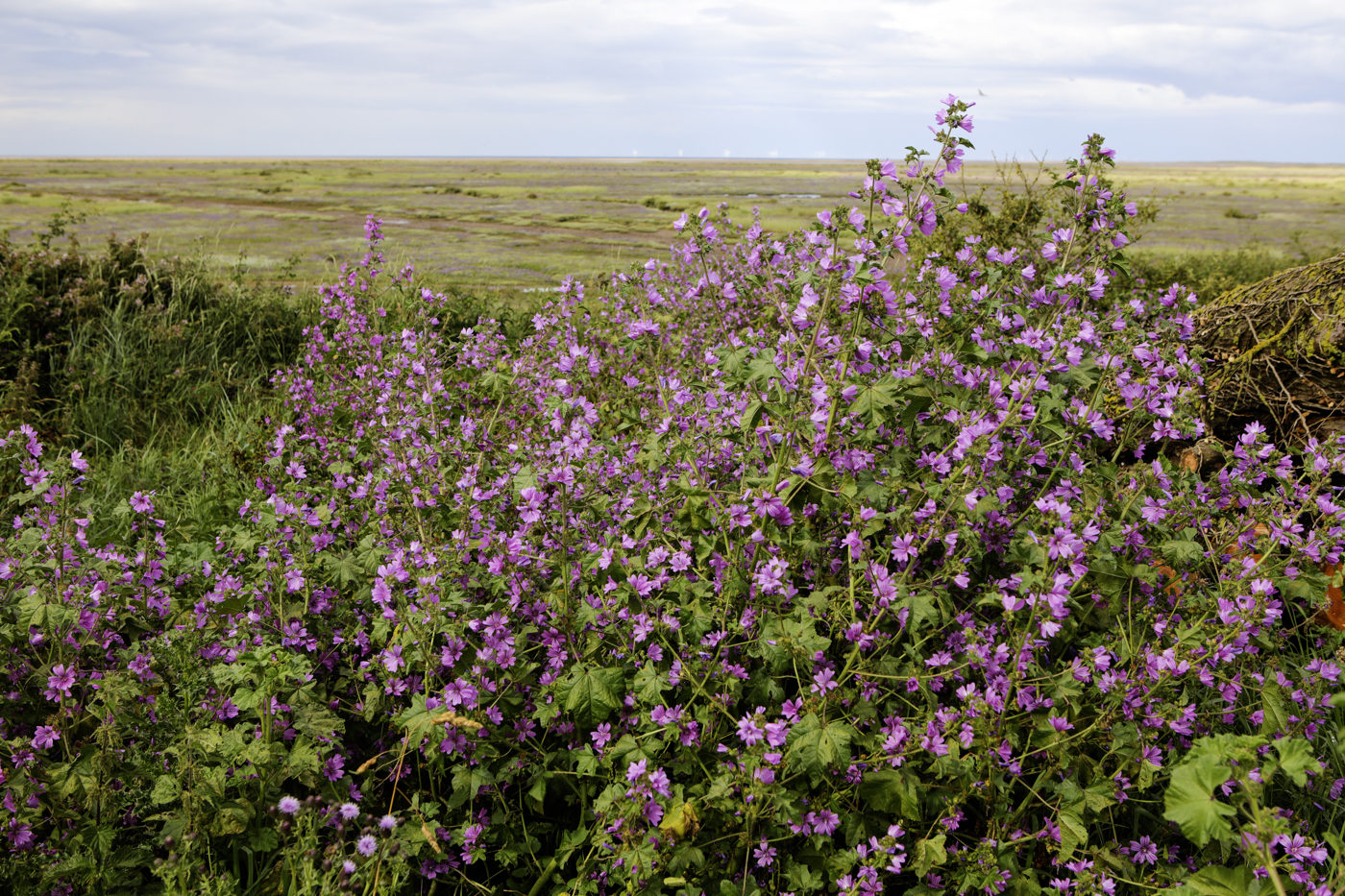
That I was told it is called Mallow – I gather it is actually regarded as a weed. Most people say it is pink not purple!
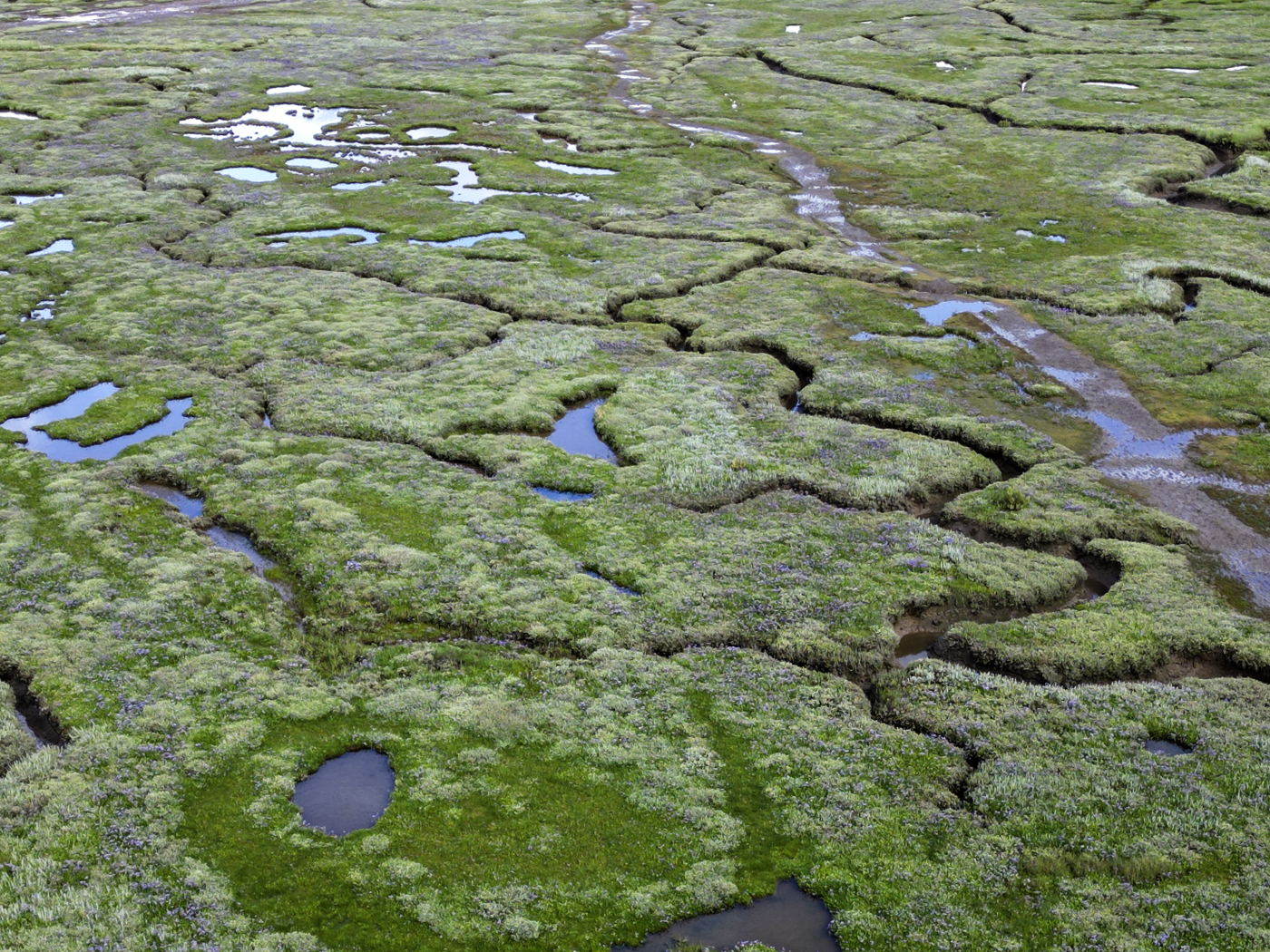
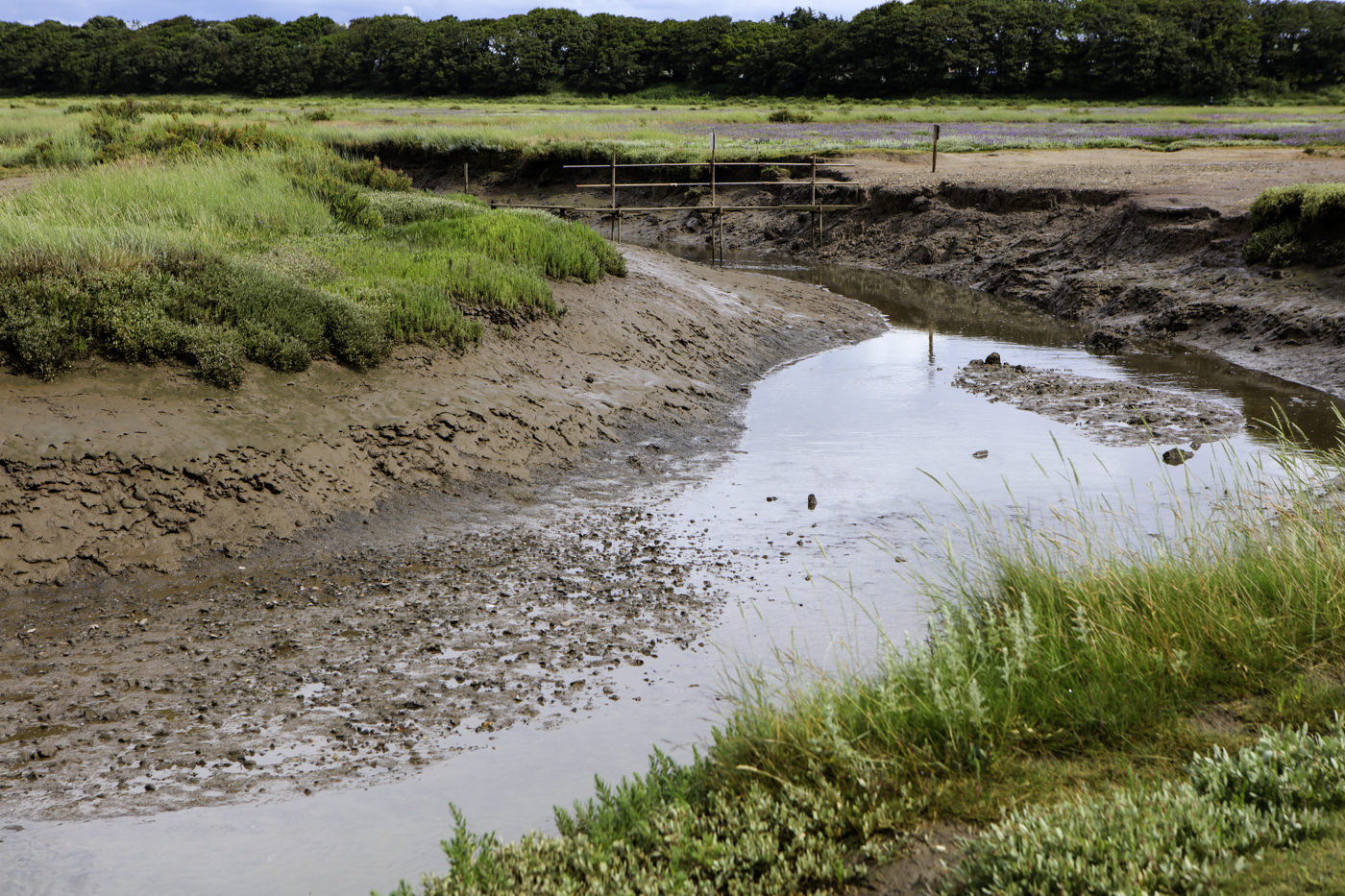
So far not doing terribly well, I did wonder if putting the drone up would help, but true to form it didn’t. The oystercatchers got very concerned about it and it was clear that if the machine went up then the plants would be virtually invisible. So that was the end of that. What the drone did show was that access to some of the sea lavender was hampered by a missing bridge or its makeshift replacement, which I didn’t like the look of.
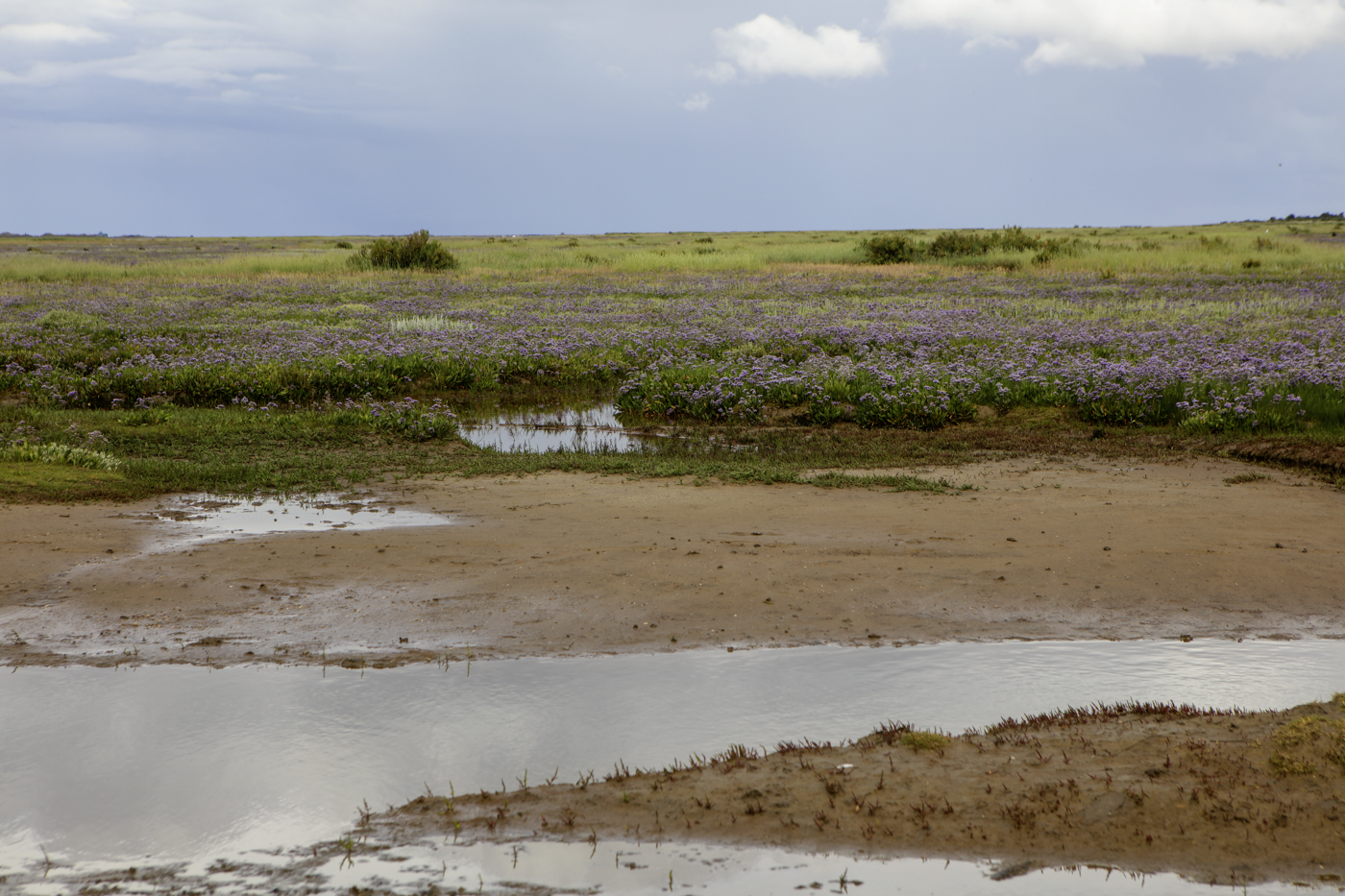
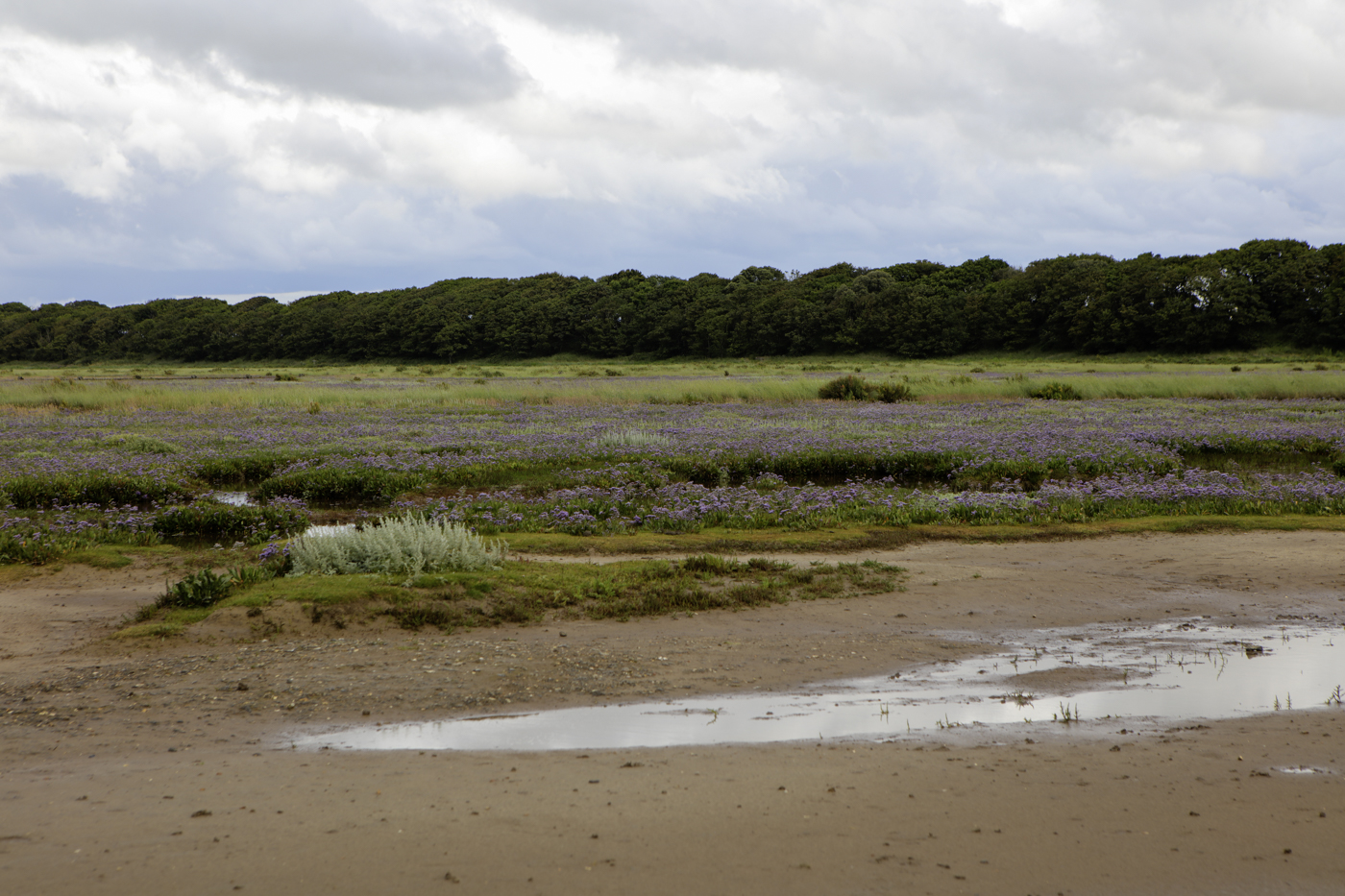
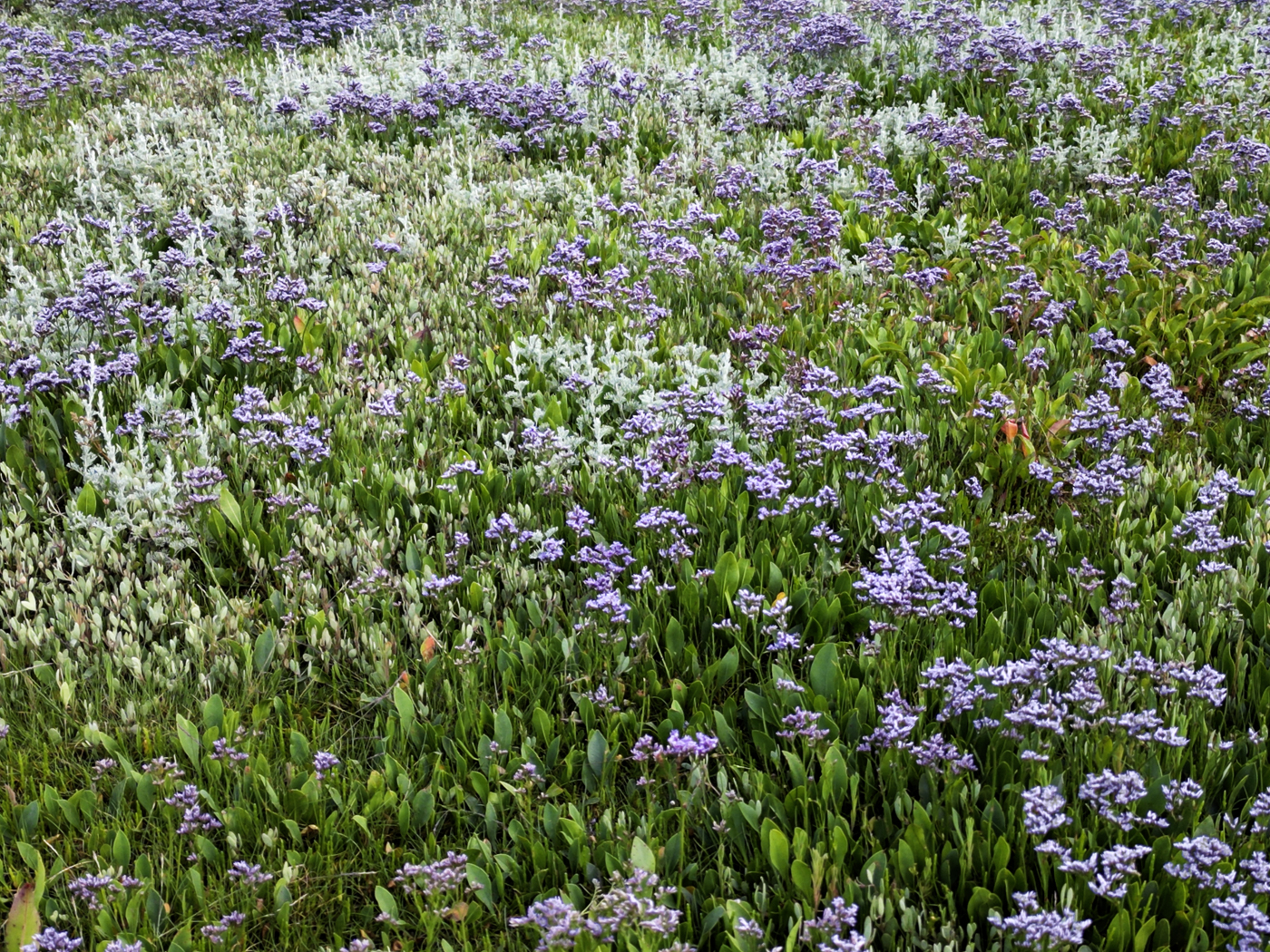
Anyway this is what I eventually saw. It is quite pretty and a lovely colour despite the fact that apparently it’s not actually a lavender plant.
Hopefully I shall be around next week – but it may take me that long to get the mud off my boots.