Coal Gas
I know most of my readers won’t even know what that is – before your time wasn’t it.
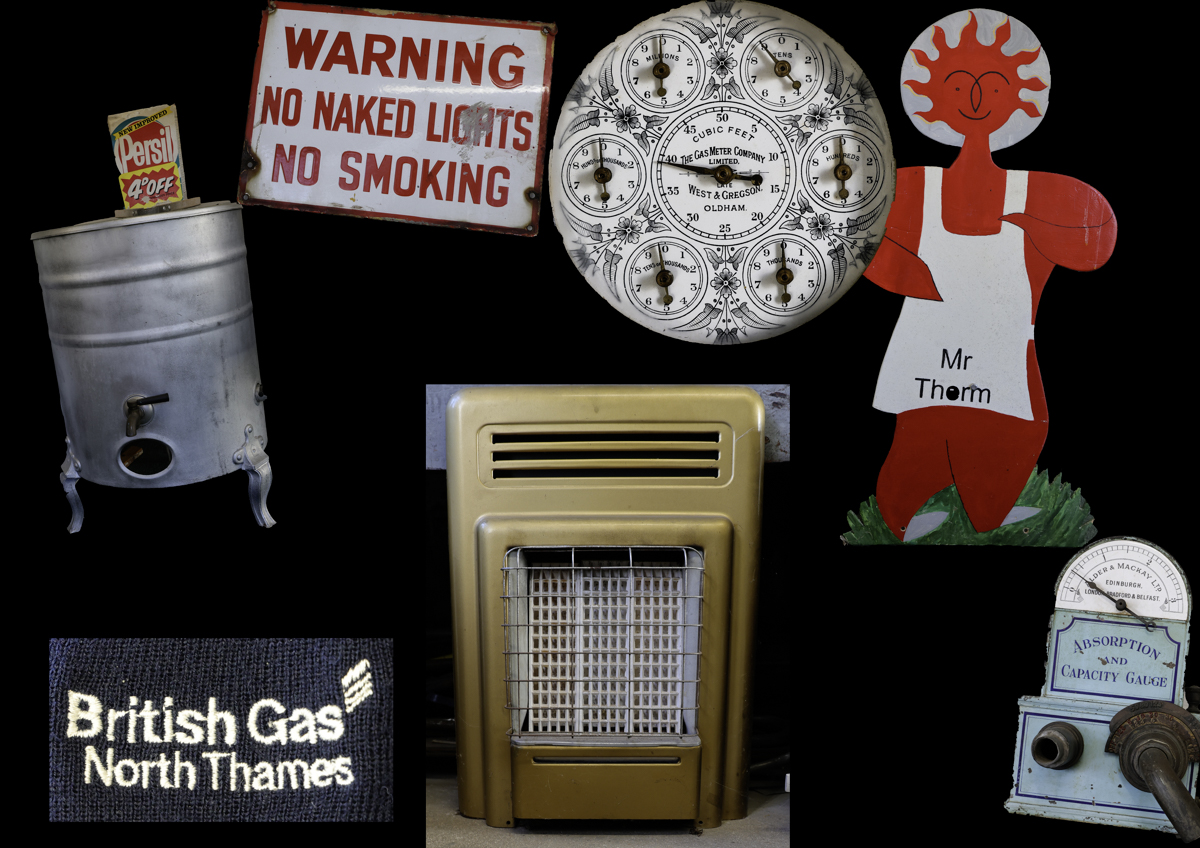
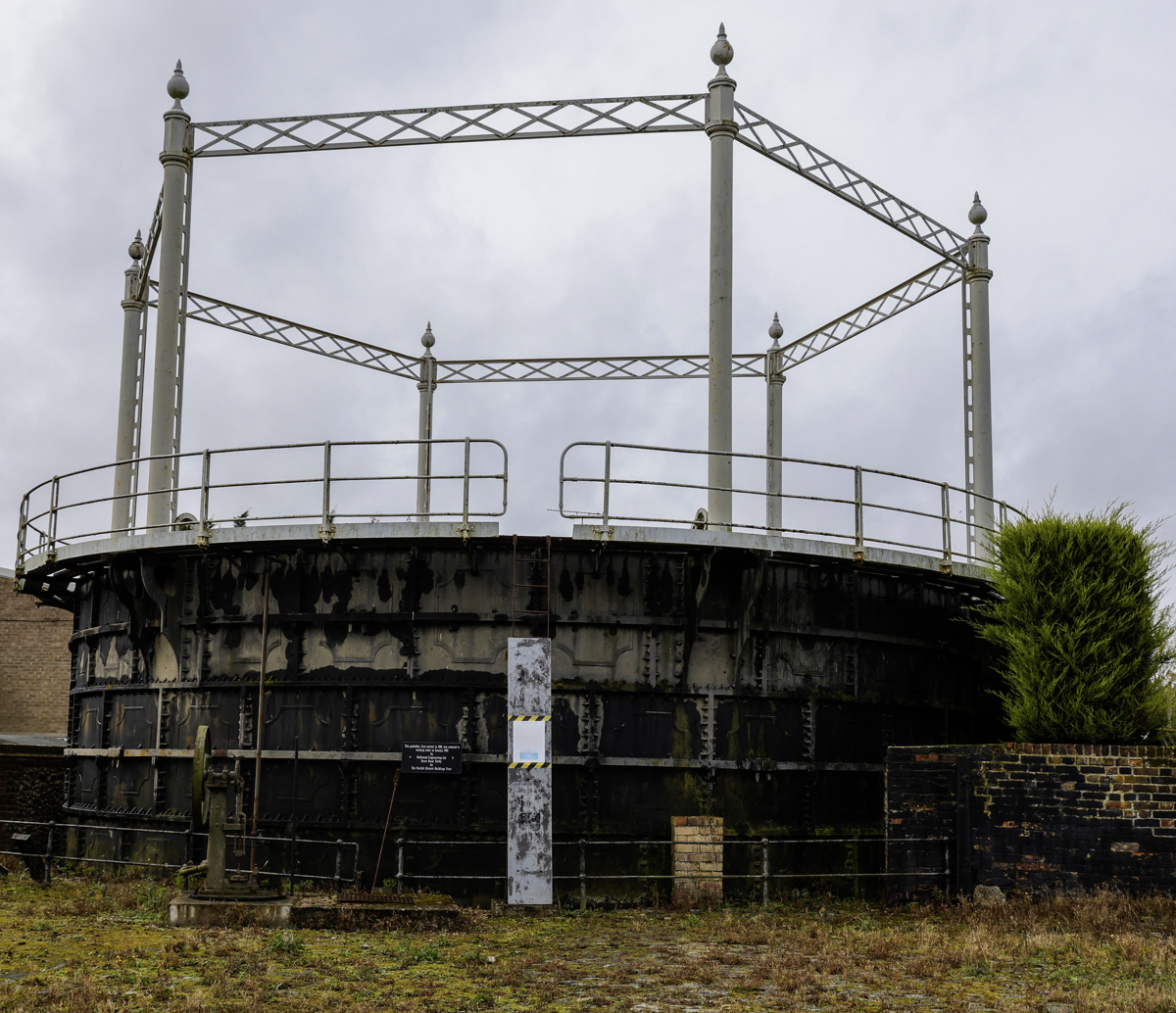
Before Brits invented the North Sea and subsequently discovered gas underneath it, all the gas in this country came from places called “gas works.” Gas works large and small littered this country (and pretty smelly they were too). The gas manufactured by these sites had its origin in coal which was burnt in large furnaces and eventually stored in structures called gasometers.
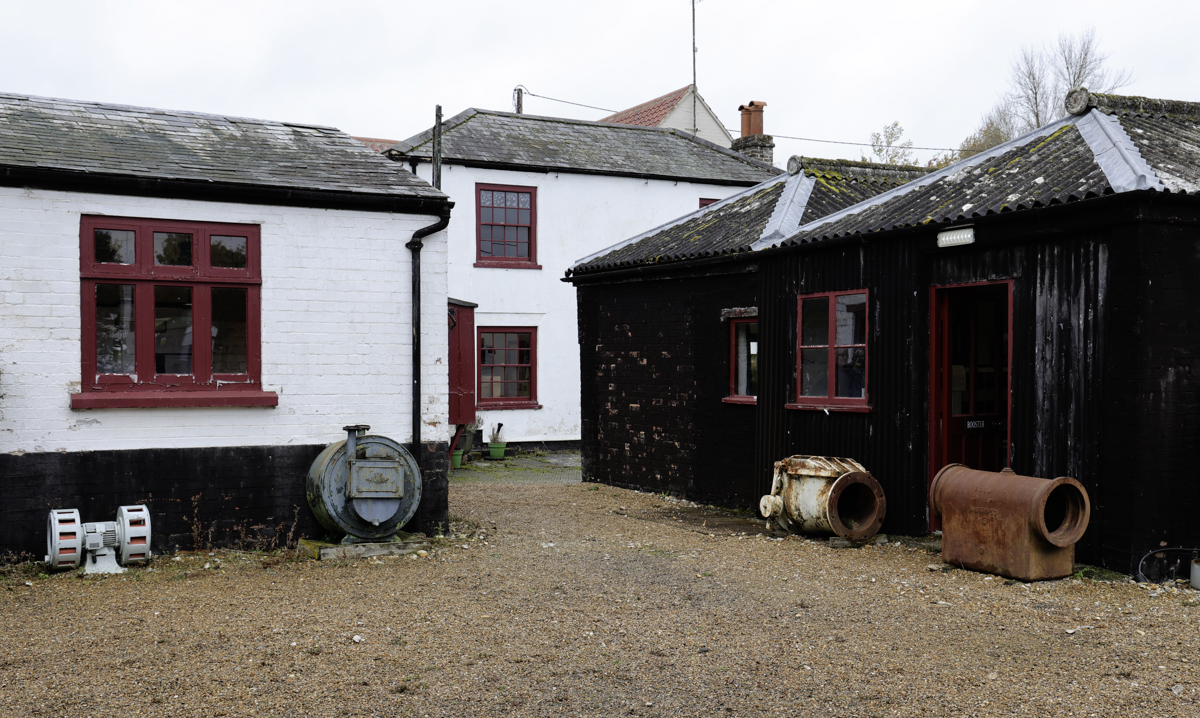
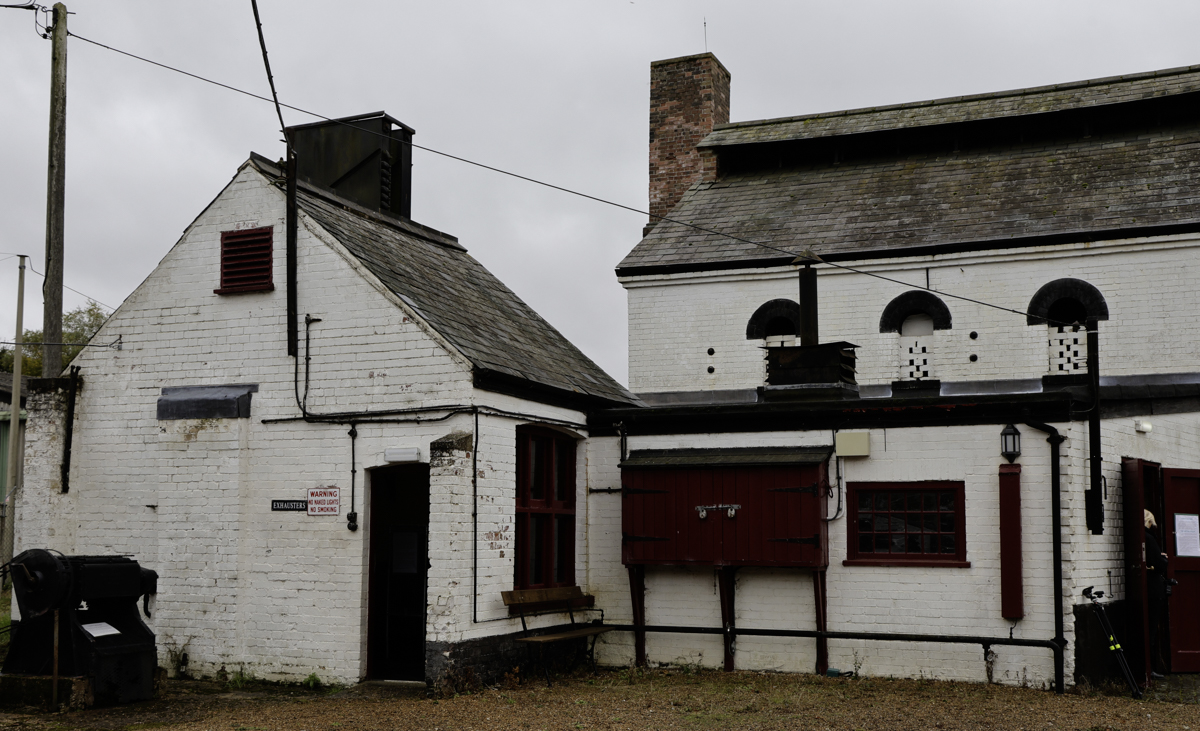
Now many of you will remember these (mainly because long after we transferred to North Sea gas around 1970, local authorities couldn’t think what to do with them. So they left them alone!)
However the redundant old fashioned gas works themselves rapidly disappeared – apart from one in the Norfolk town of Fakenham. I am told that it is the only complete gas works in England. No it isn’t working dearie – it’s a museum – and the only one of its kind! In 1984 it was listed by the Department of the Environment as a Scheduled Monument.
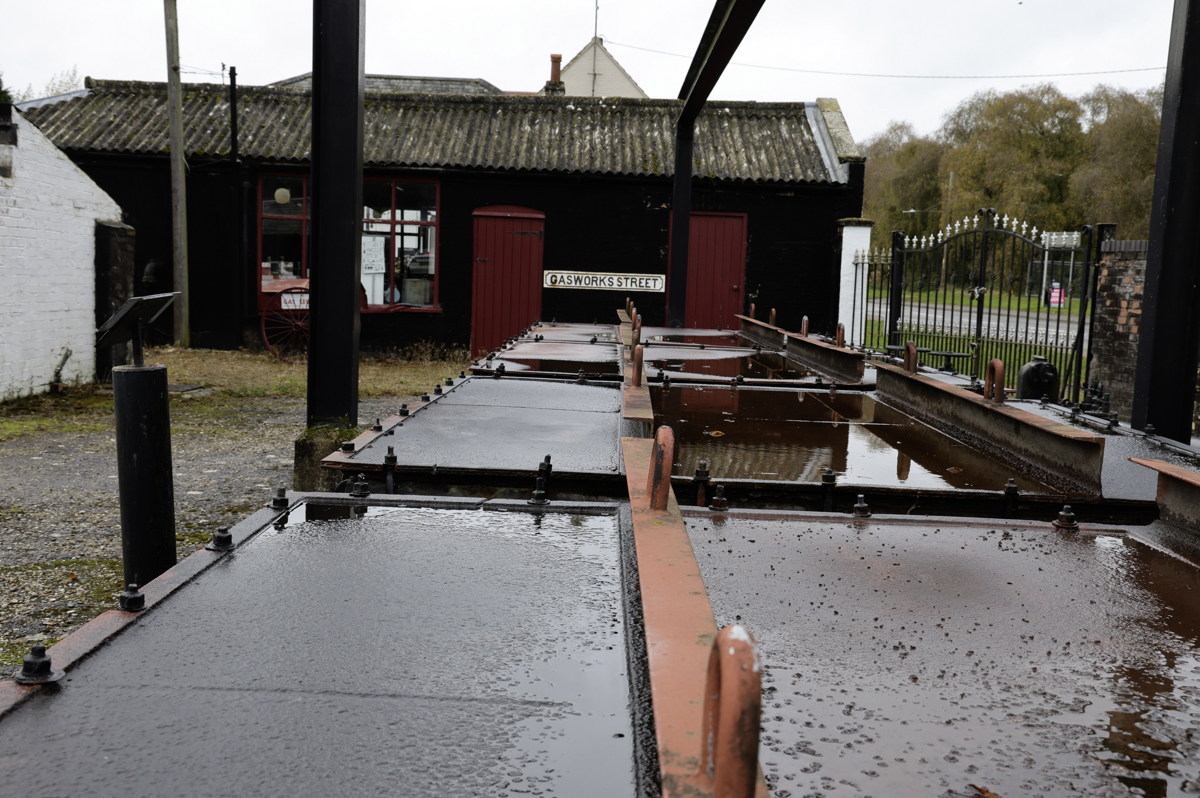
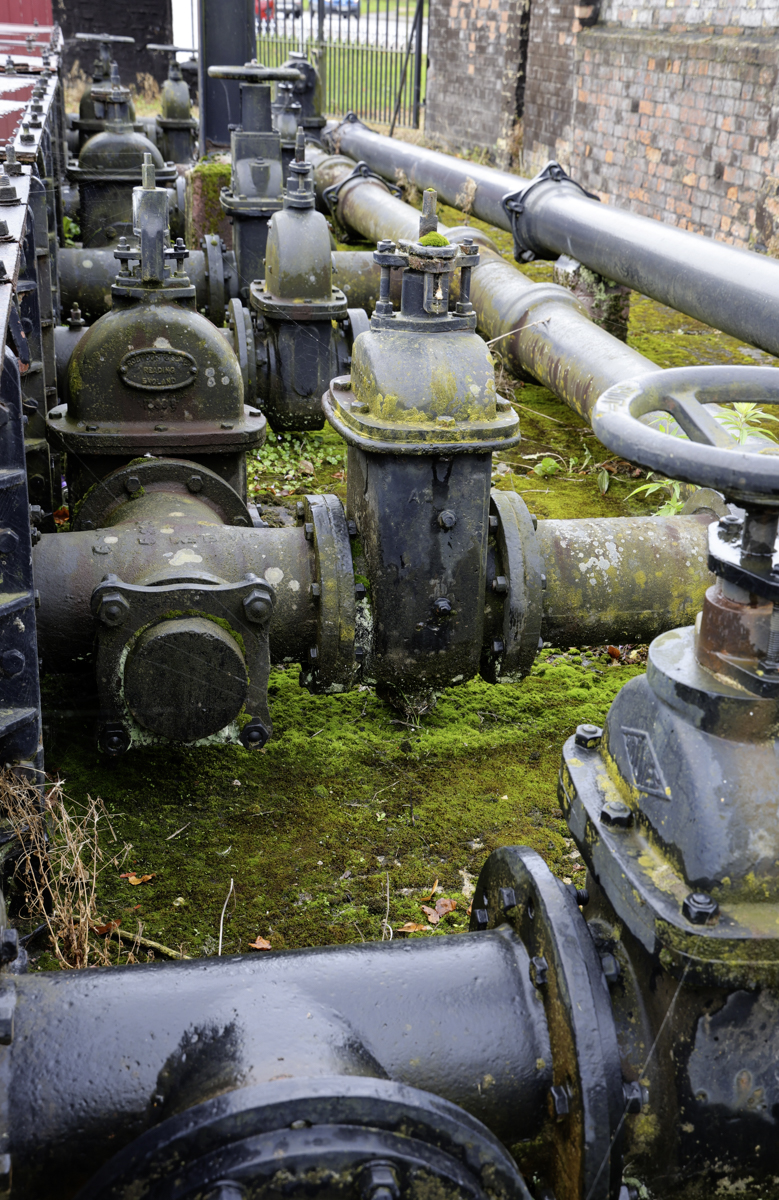
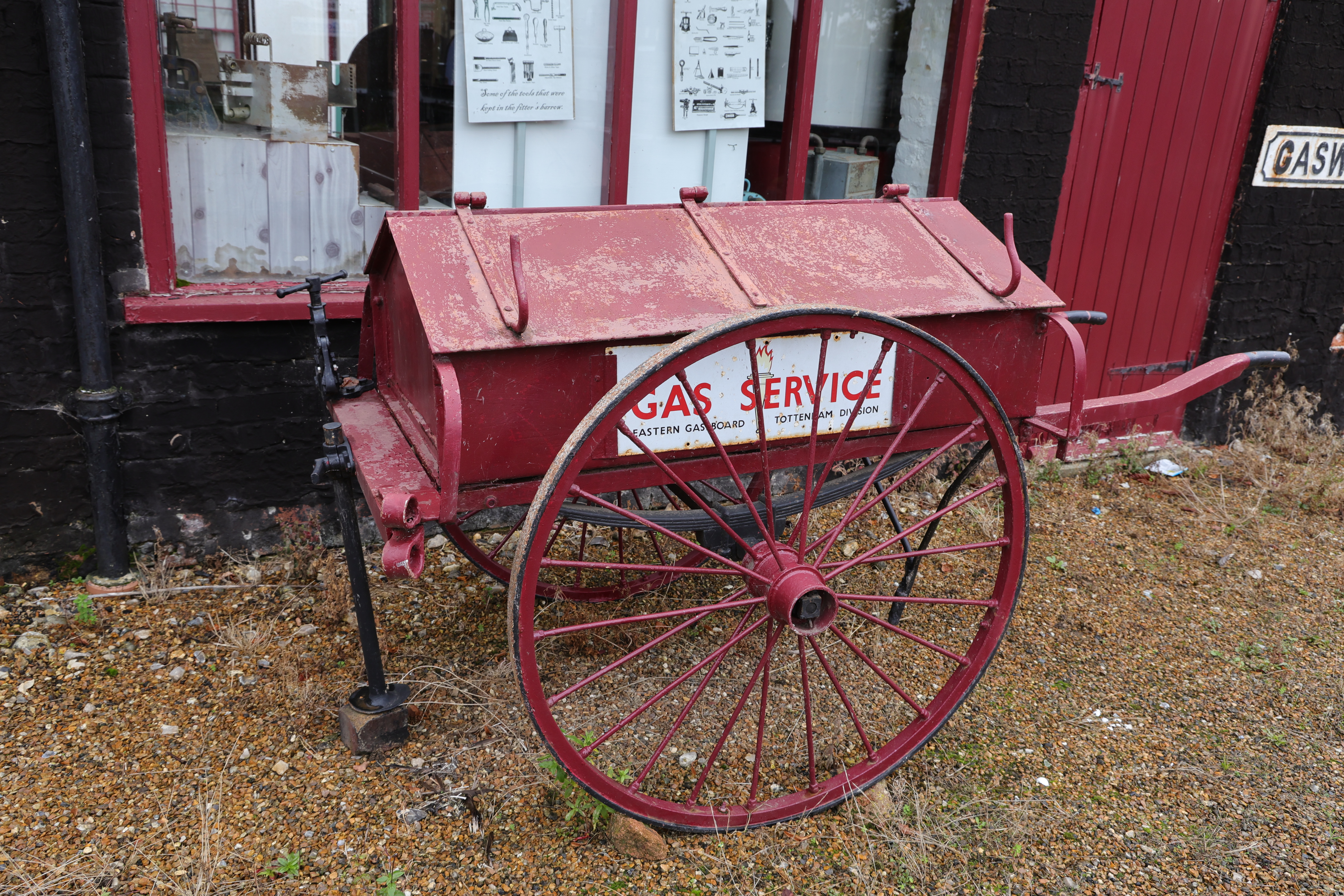
Today all the bits are still there along with many objects you would recognise from the heyday of gas appliances – cookers, water heaters, gas fires – even gas lamps that lit out streets.
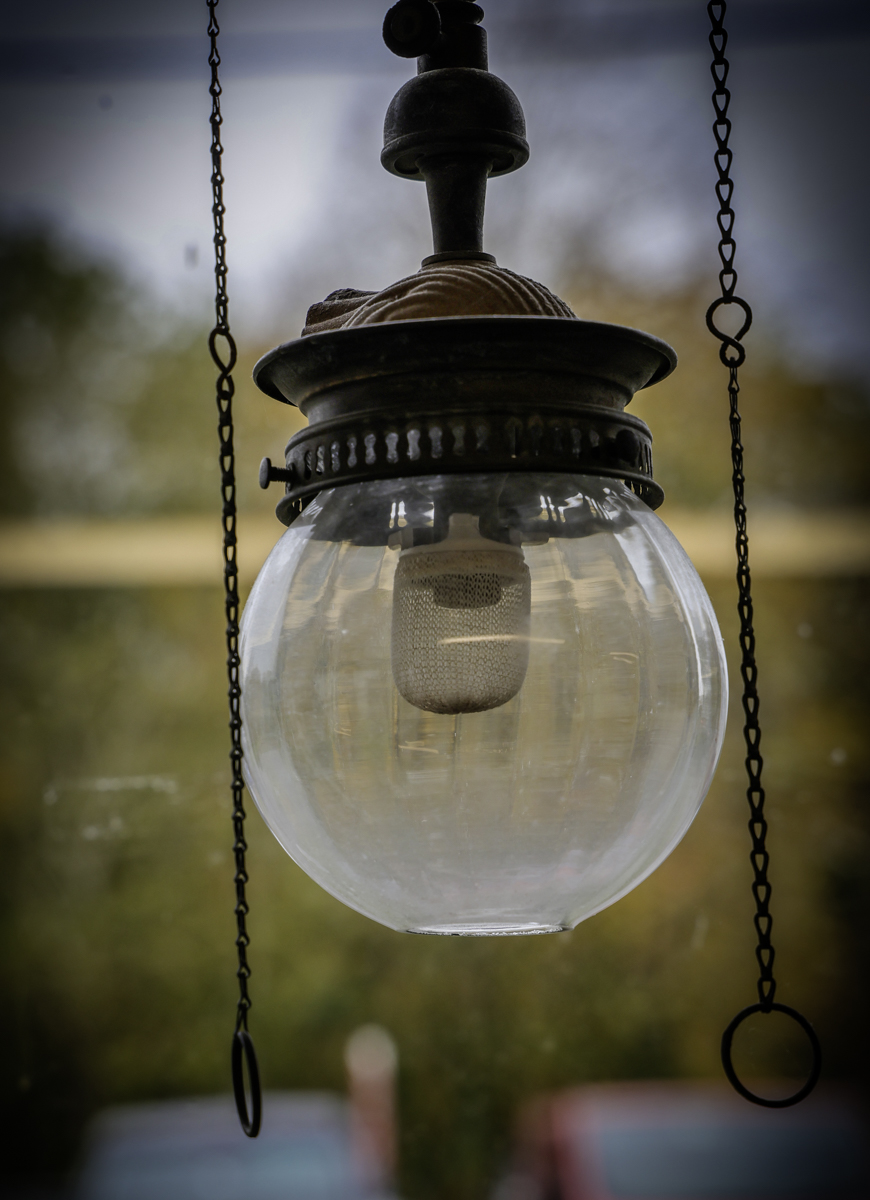
I took lots of photographs at the Fakenham Gas Works mainly because it is such an interesting place with terrific volunteers who can regale you with fascinating stories about their lives in the industry.
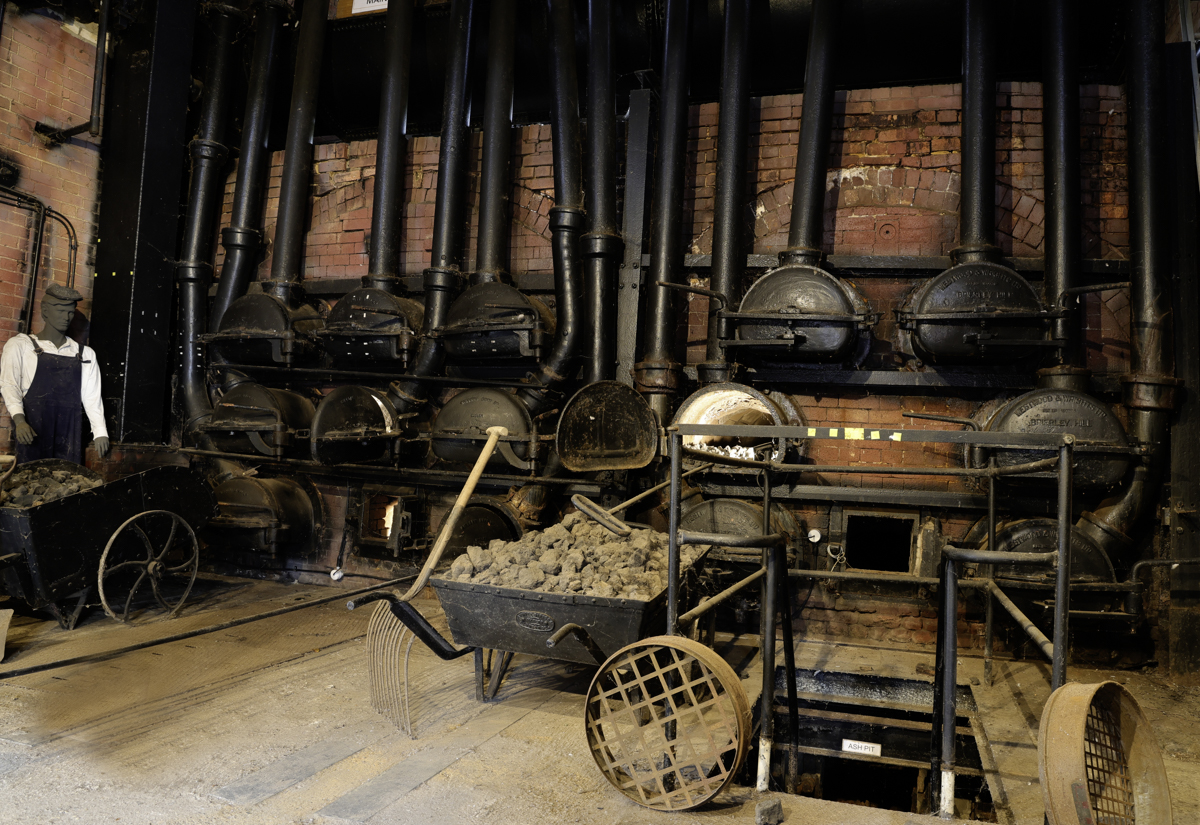
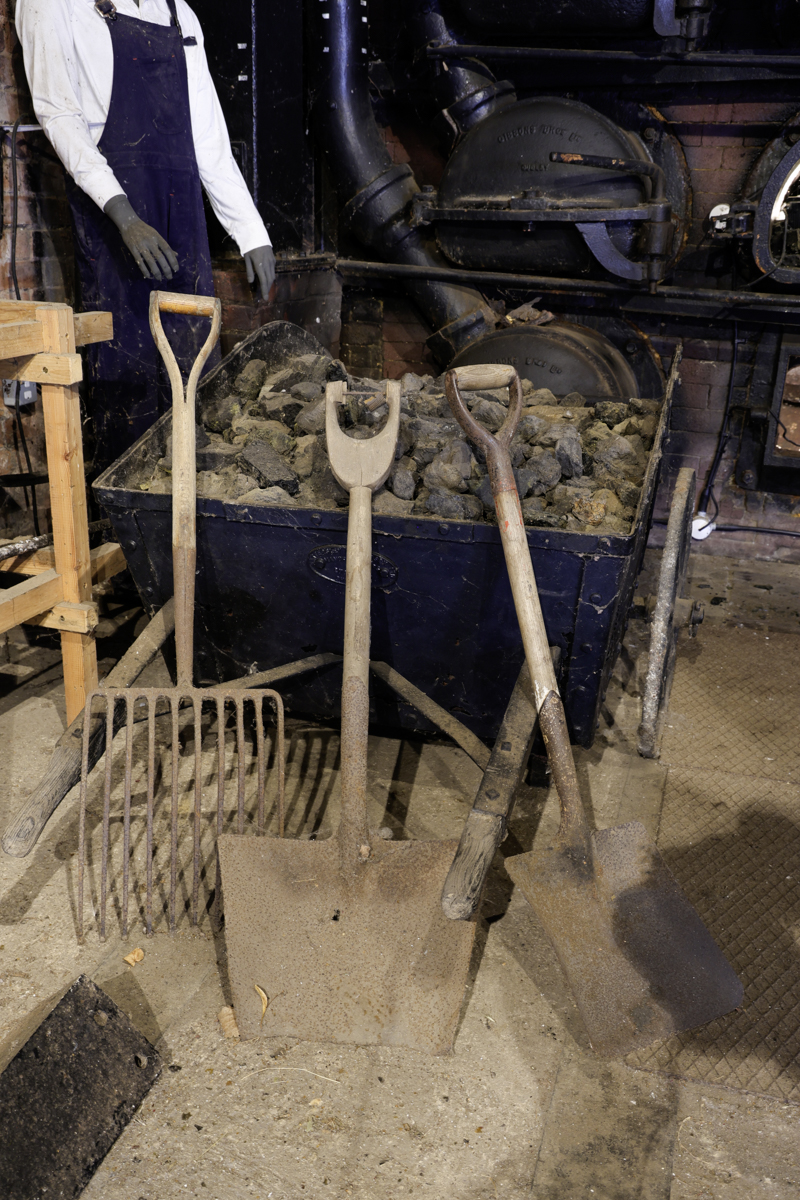
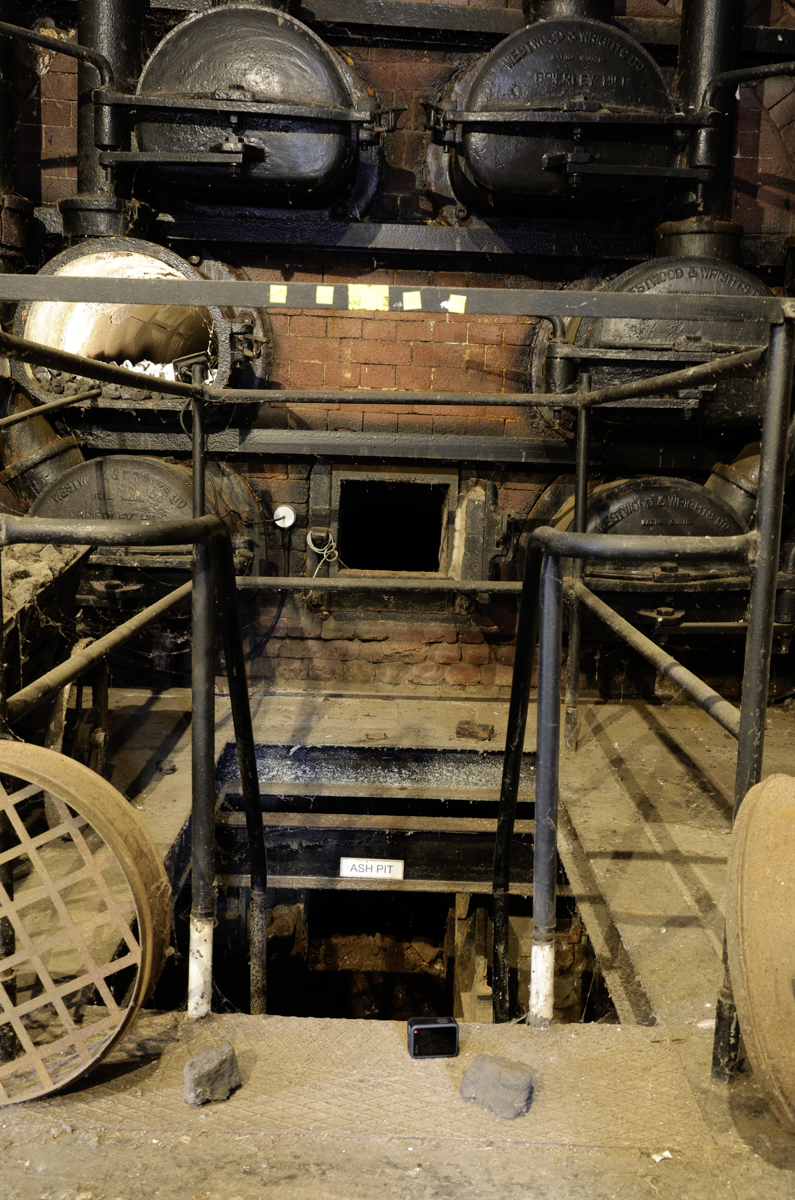
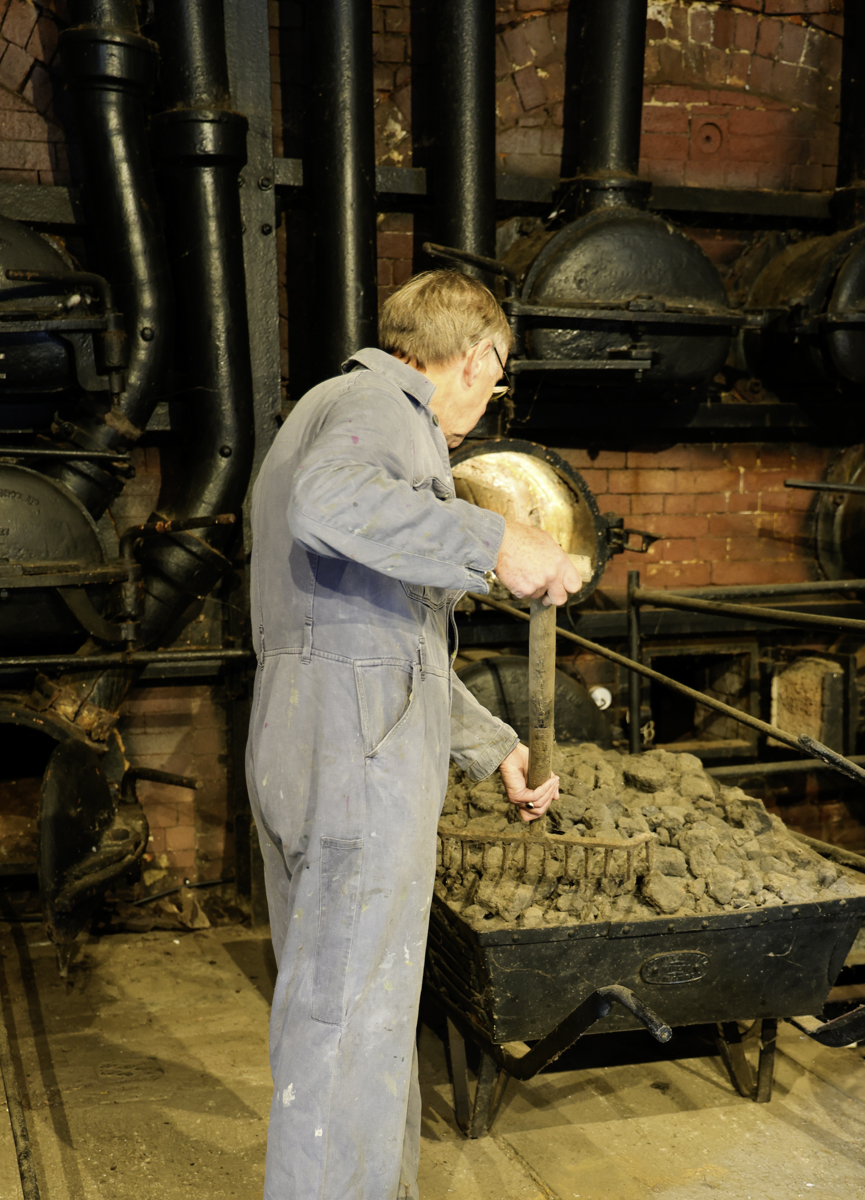
I have created a number of composite images with different “gas bits” I know they don’t’ necessarily fit together but I’m not in to producing pictures such as “a gas cooker” or “another gas cooker”- if it worries you check out the site with a copy of my blog and try to work out where I shot some of the photographs!
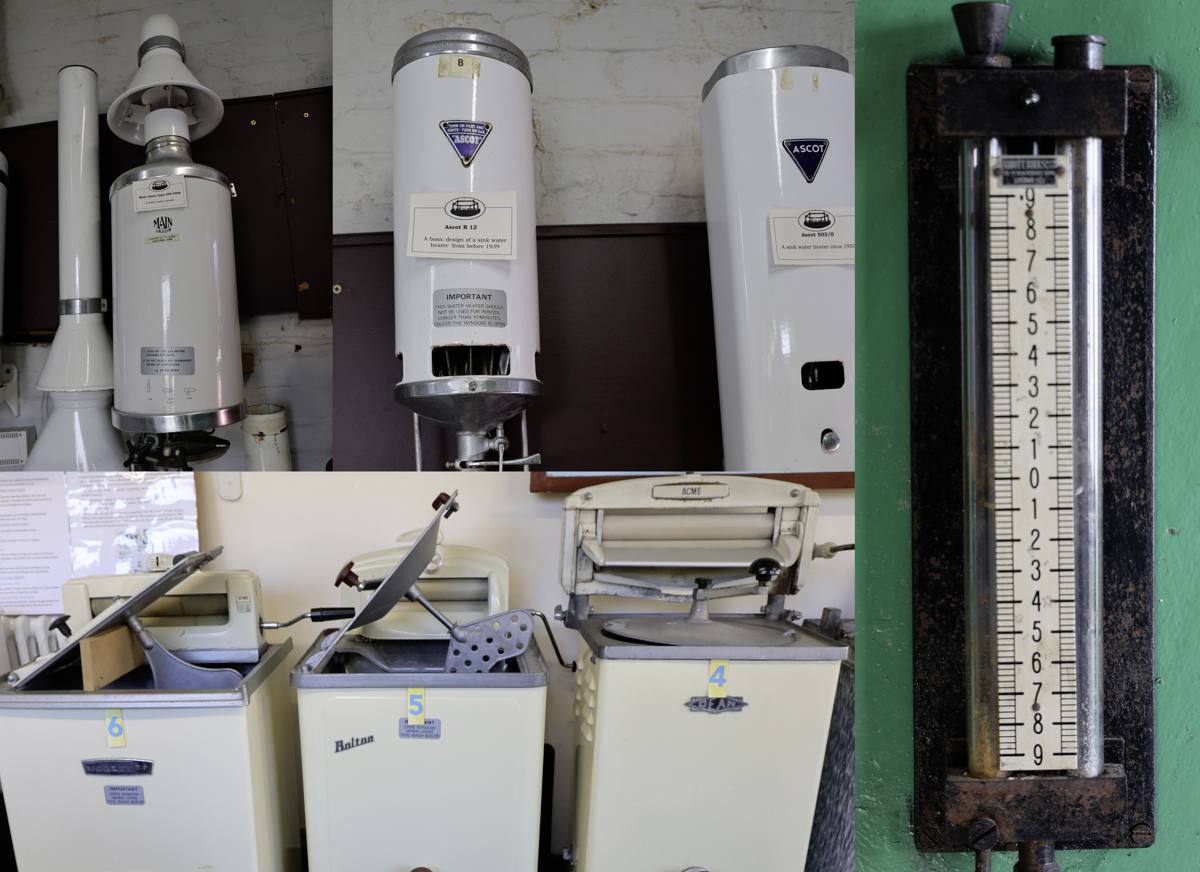
What will surprise you will be to learn how simple the technology of the site was and how few people actually worked there when the gas works was a going concern.
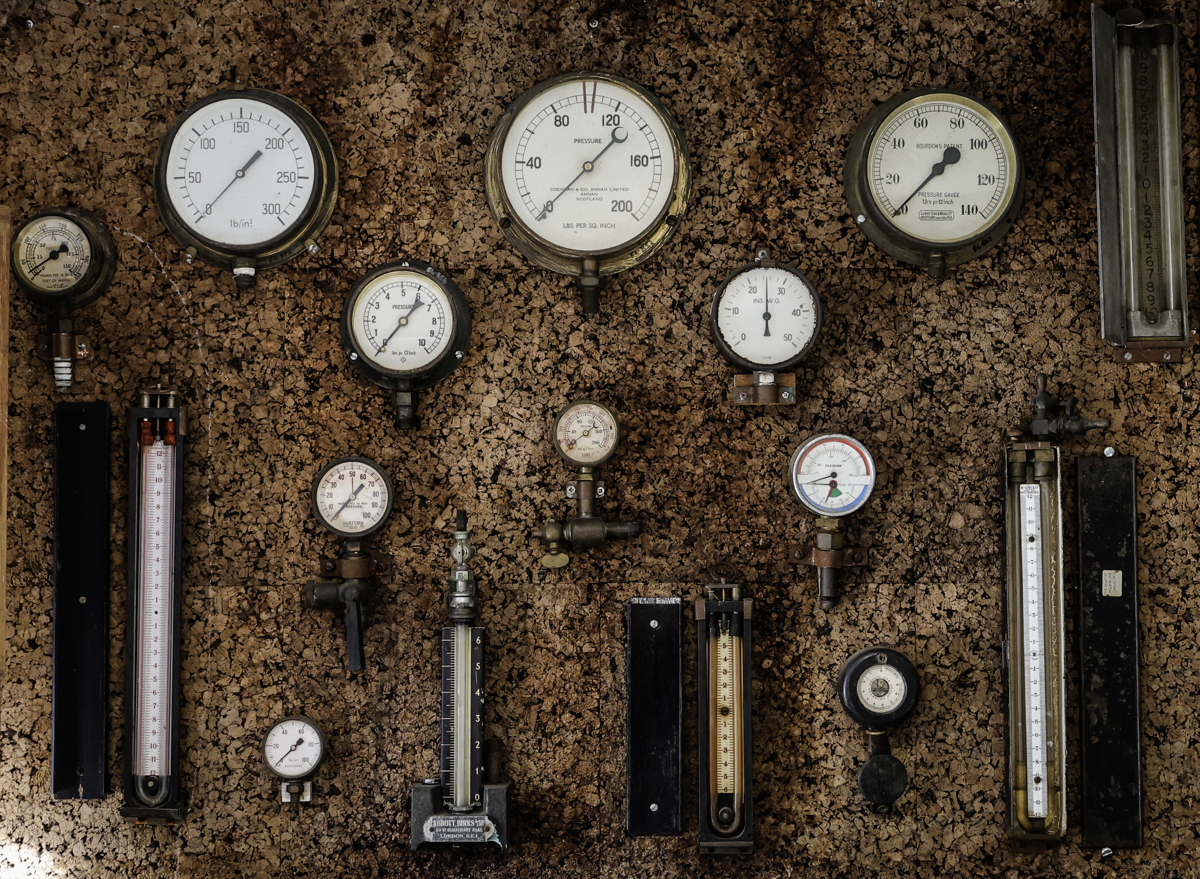
No I’m not going to let on you have to go and see the place for yourself – definitely worth a visit (despite the fact that it is just about to close for the winter).
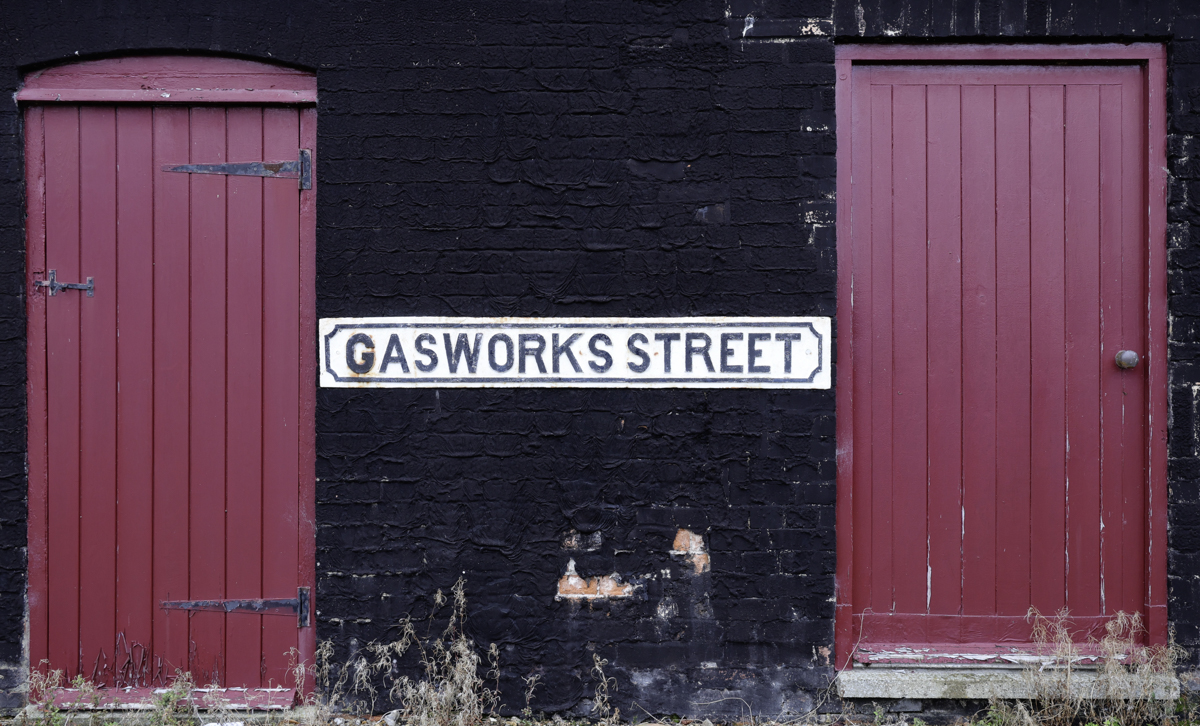
Put it in your next year’s diary to go and see it.
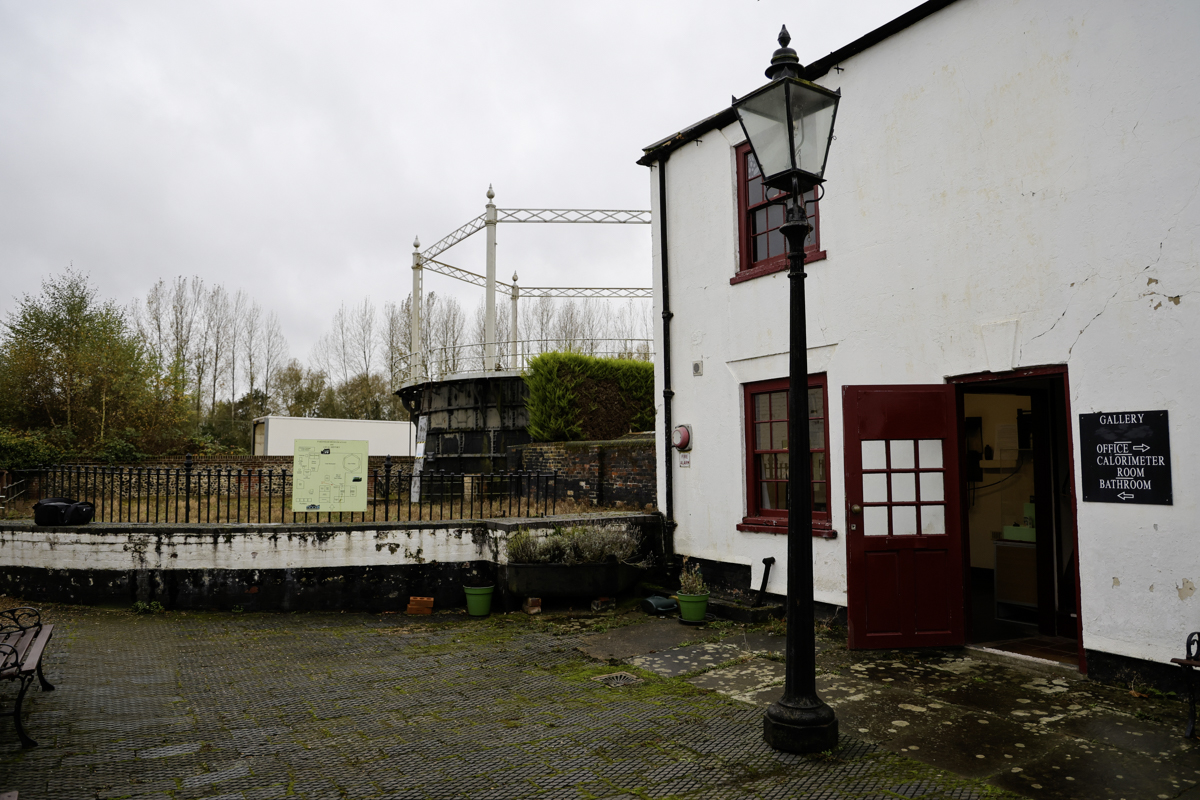
Back next week.
Hi Robin I think Adrian would like a visit next year. When asked, as a child, what work his father did, he replied” He pulls chains at the gas works.” I believe this was something to do with loading coke. They were a very gas- orientated family with a gas refrigerator.
Hope you’re both well.
Janet