Farmers don’t really plough these days
That’s what I was told.
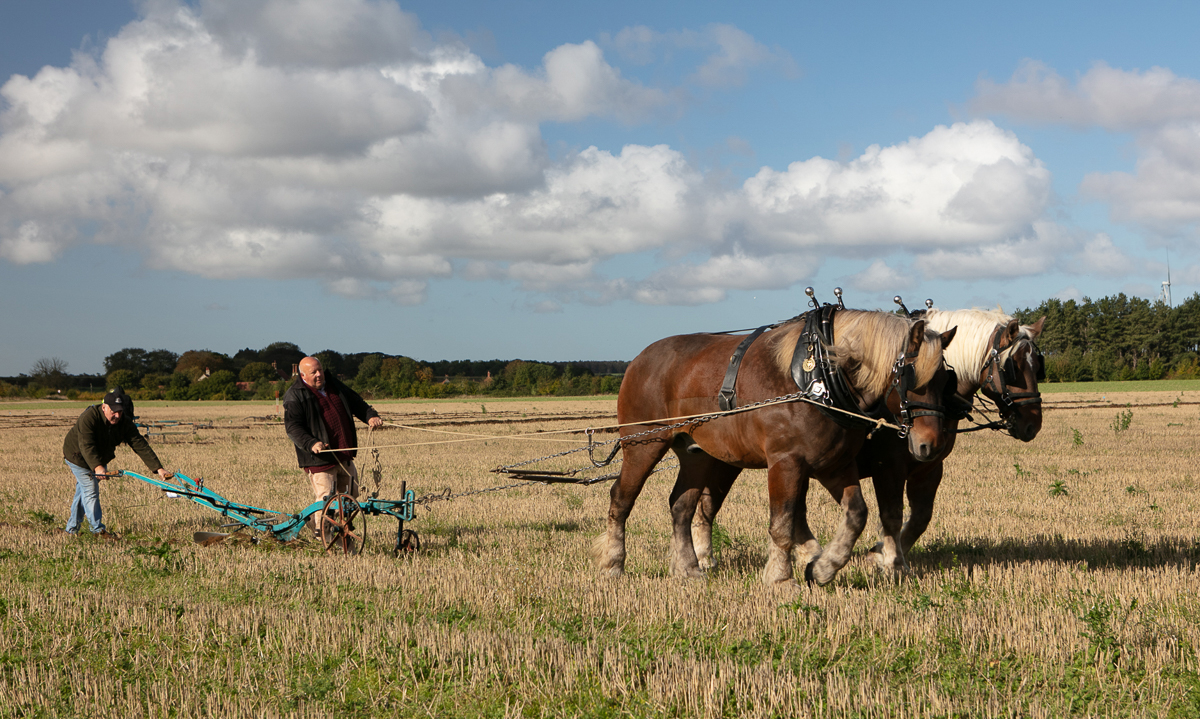
Hmm! Not sure I agree. This chap certainly doesn’t and I’m sure if the horses had a vote they wouldn’t either.
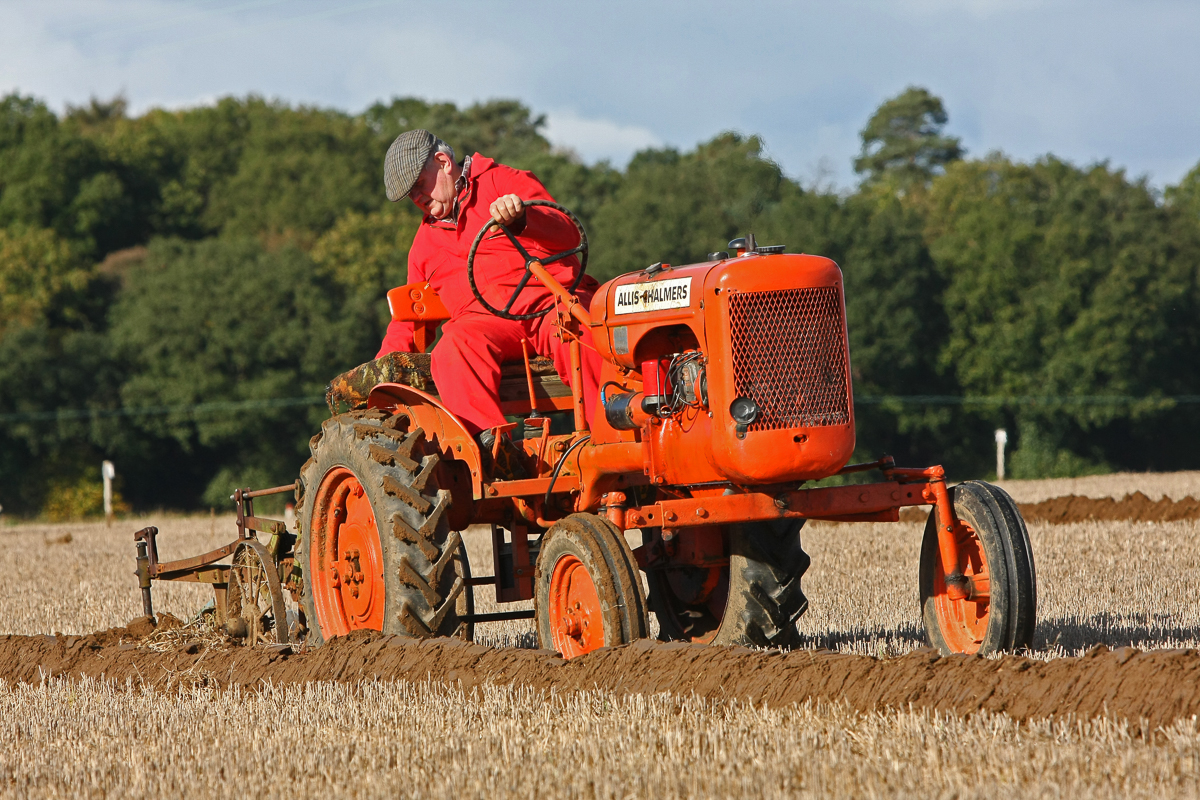
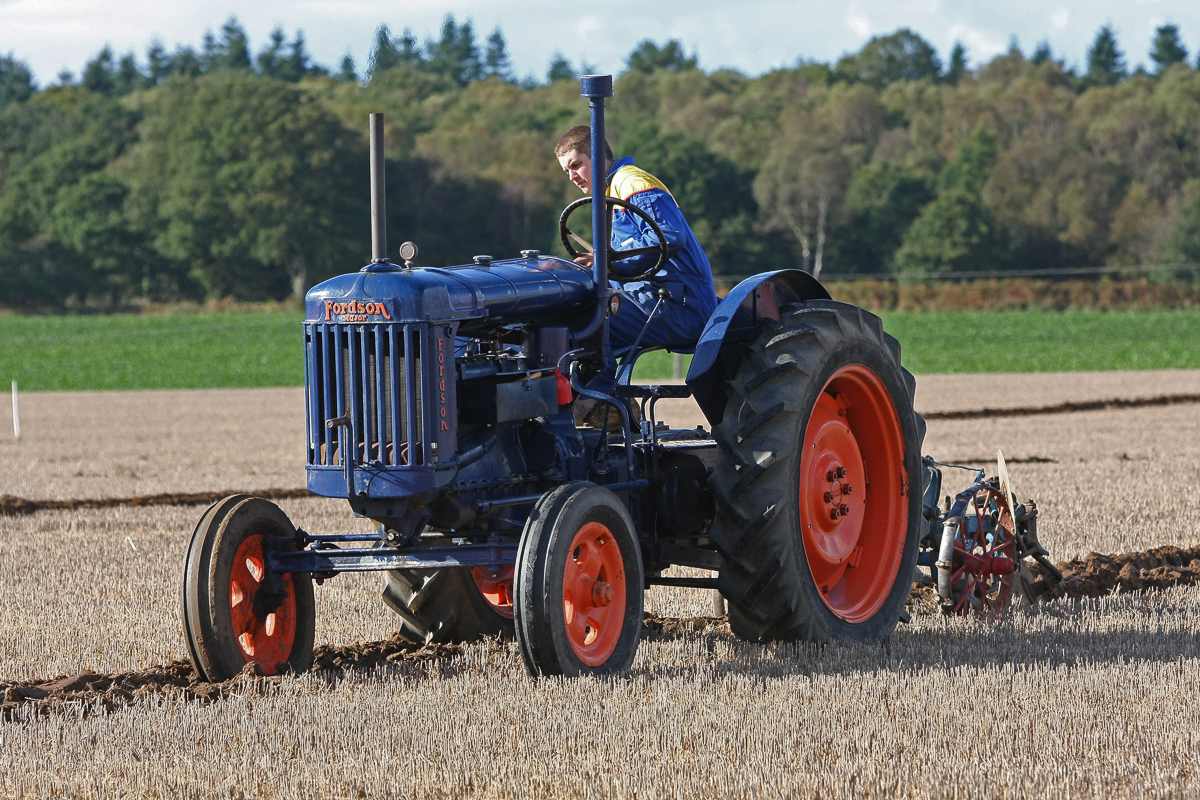
And what about Plough Monday …or do I mean Plough Sunday?
Not more disagreement surely? According to the historians Plough Monday was the traditional start of the agricultural year – celebrated on the first Monday after January 6th – the Feast of the Epiphany. That’s when the agricultural labourers went back to work after Christmas. Wow that must have been a holiday and a half.
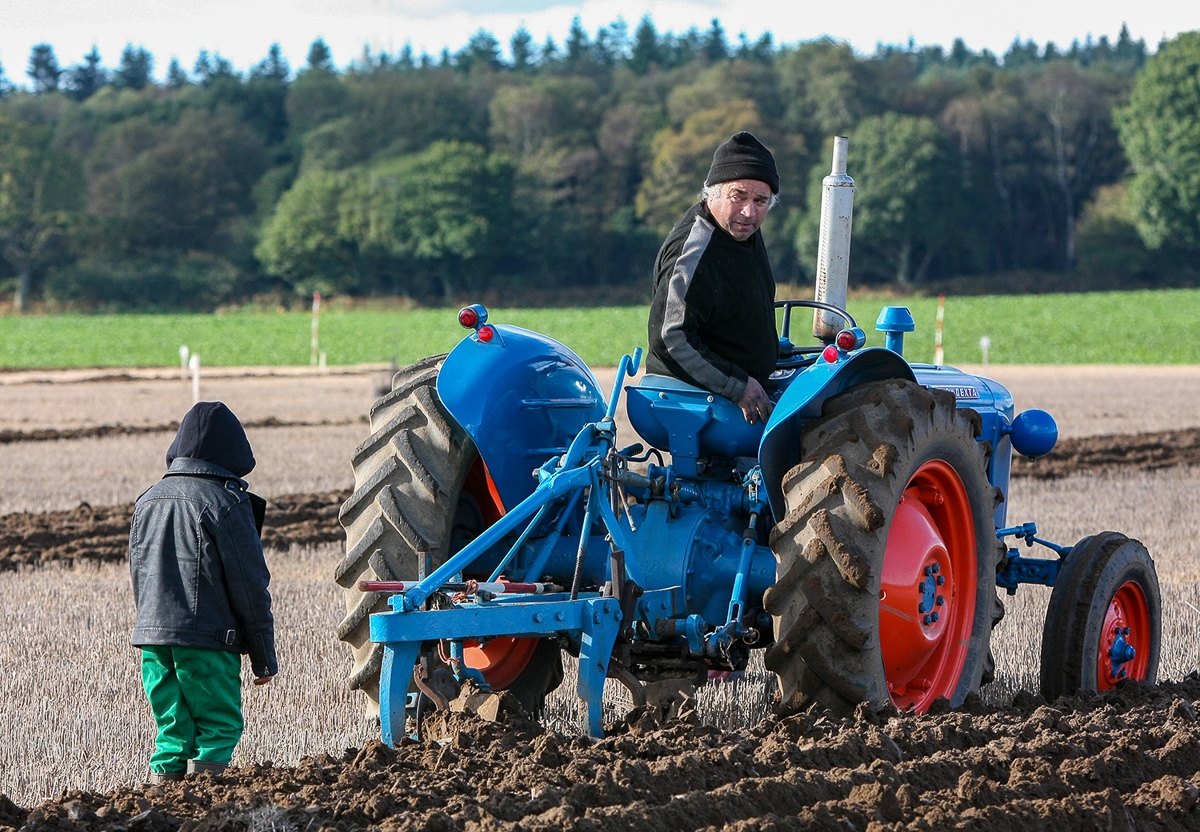
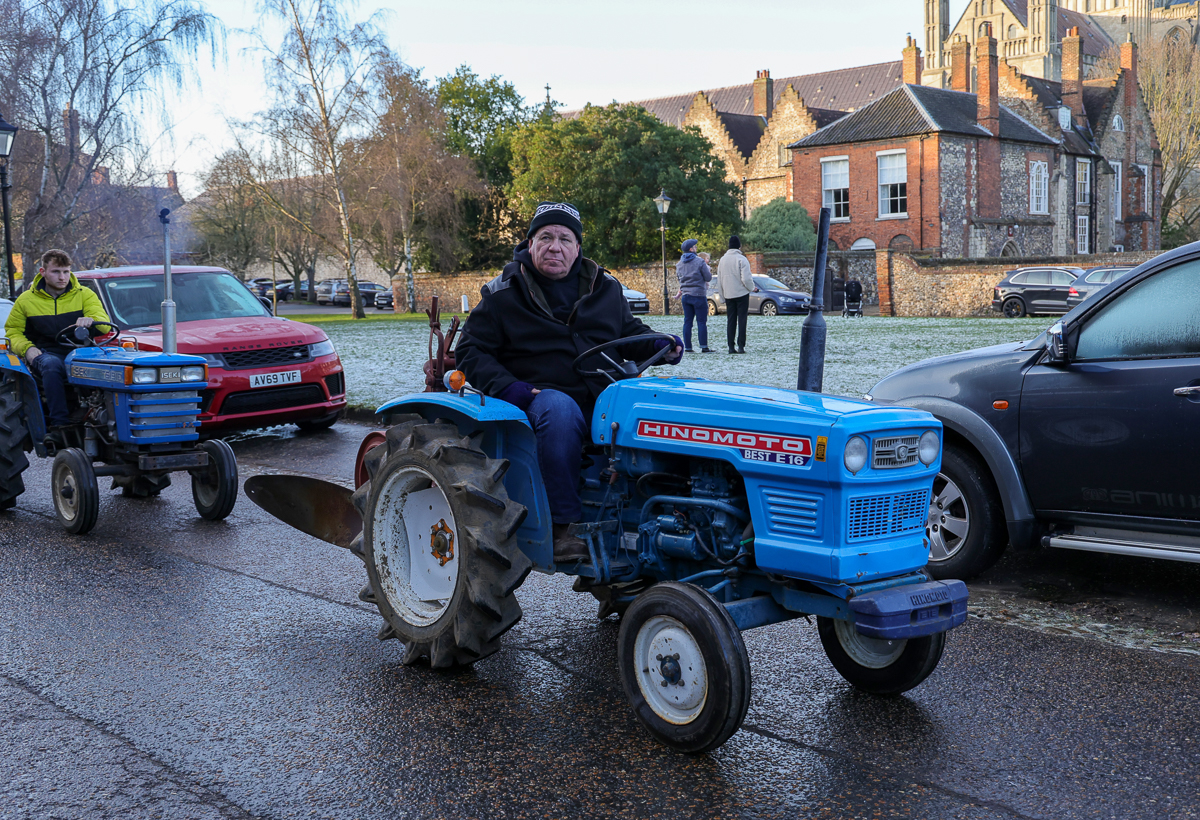
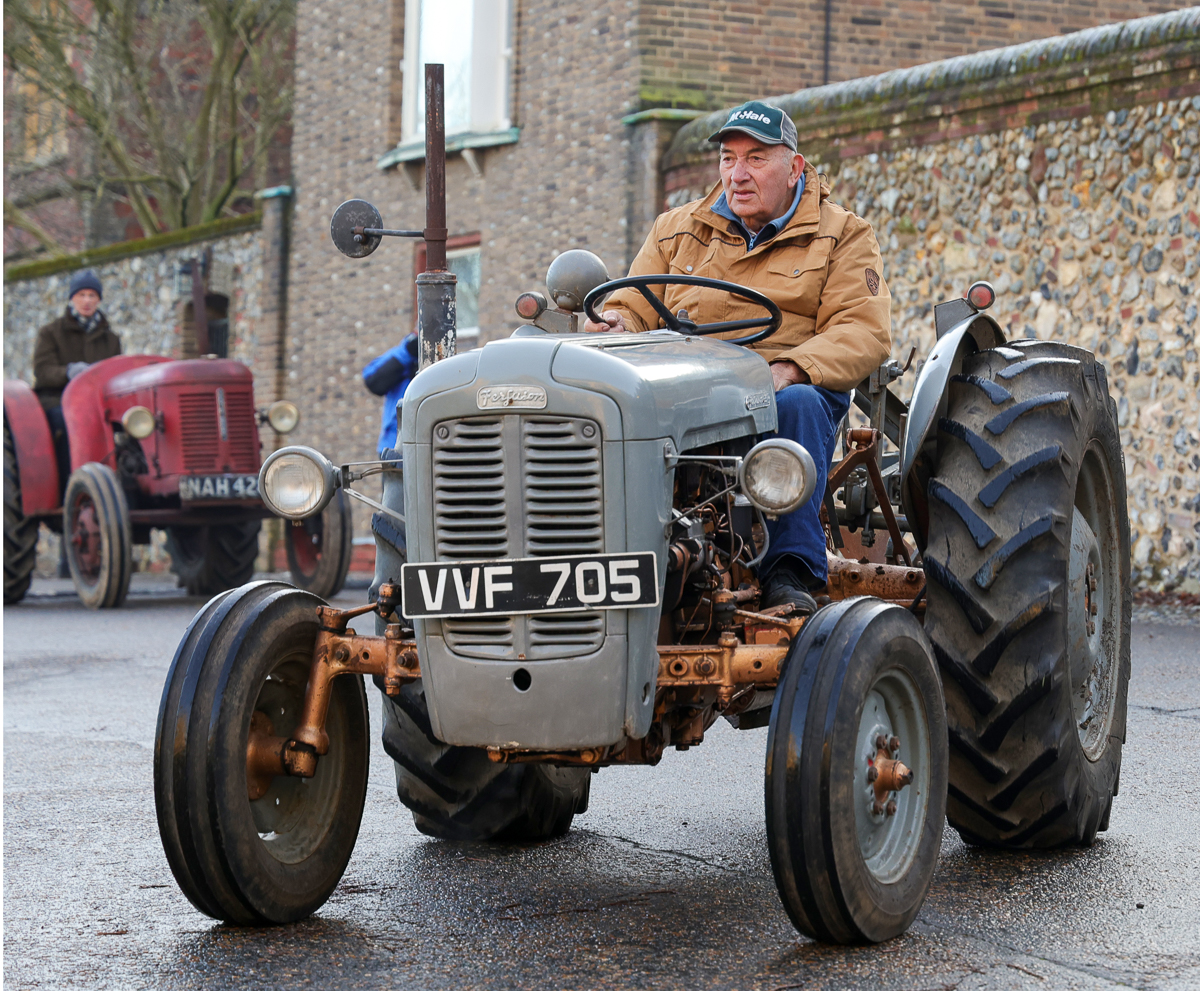
However before we all mark it up in our diary for next year, we have to reckon with the church, which thinks it ought to be Plough Sunday. (I feel in need a sit down!) Certainly at Norwich Cathedral Plough Sunday was marked by a special service of Evensong this year – but not before a number of tractors had circumnavigated the Cathedral Close and parked up outside the west door.
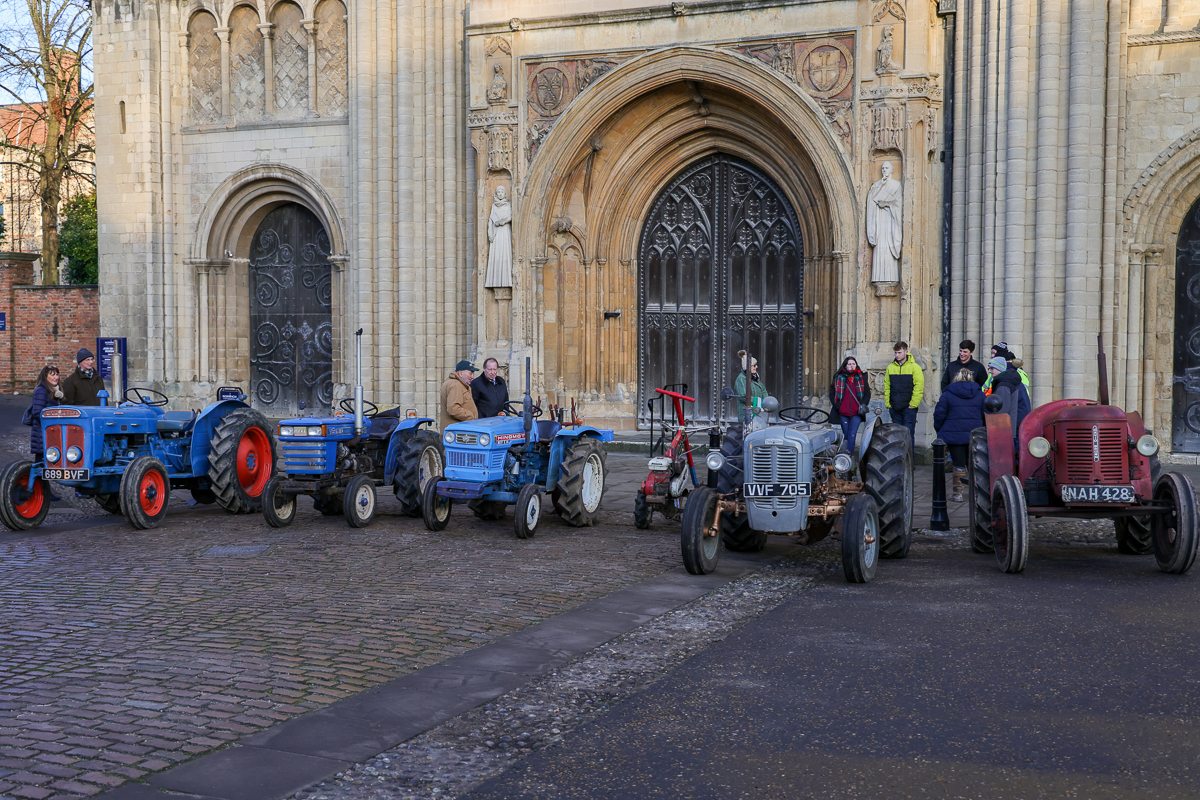
Clearly the drivers of the tractors were enjoying themselves.
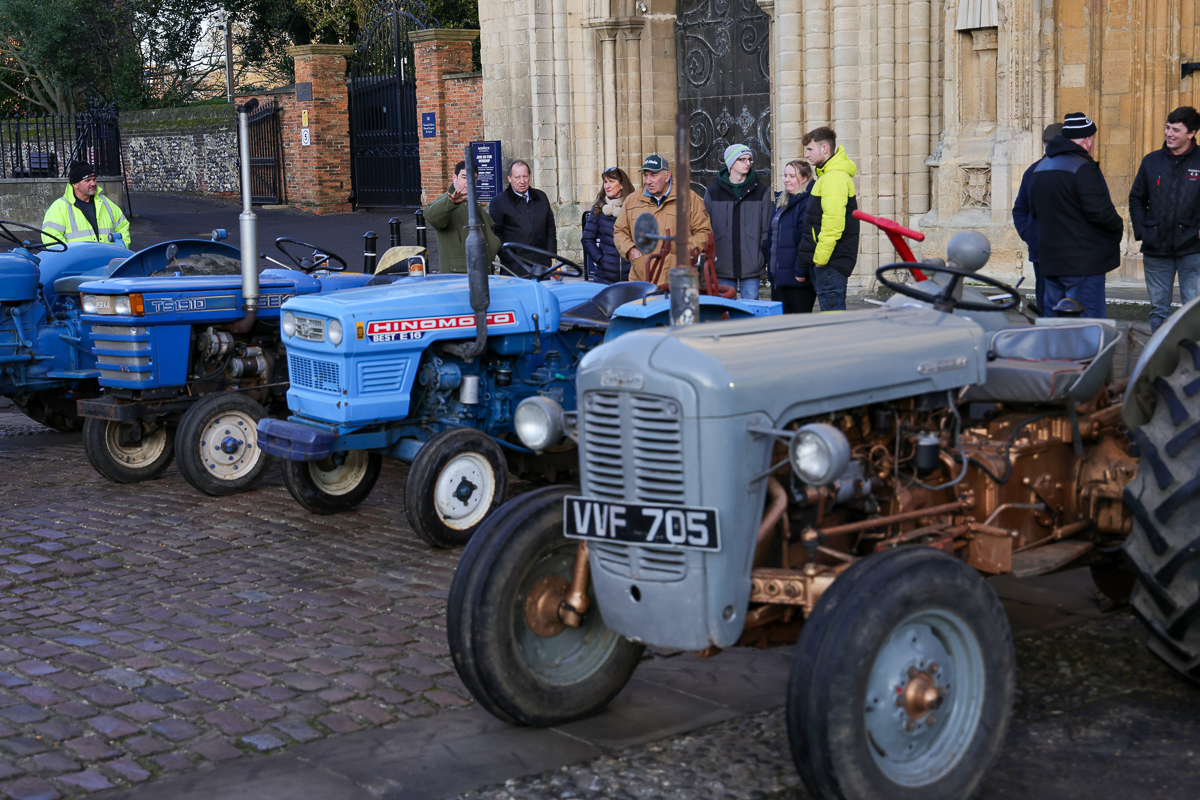
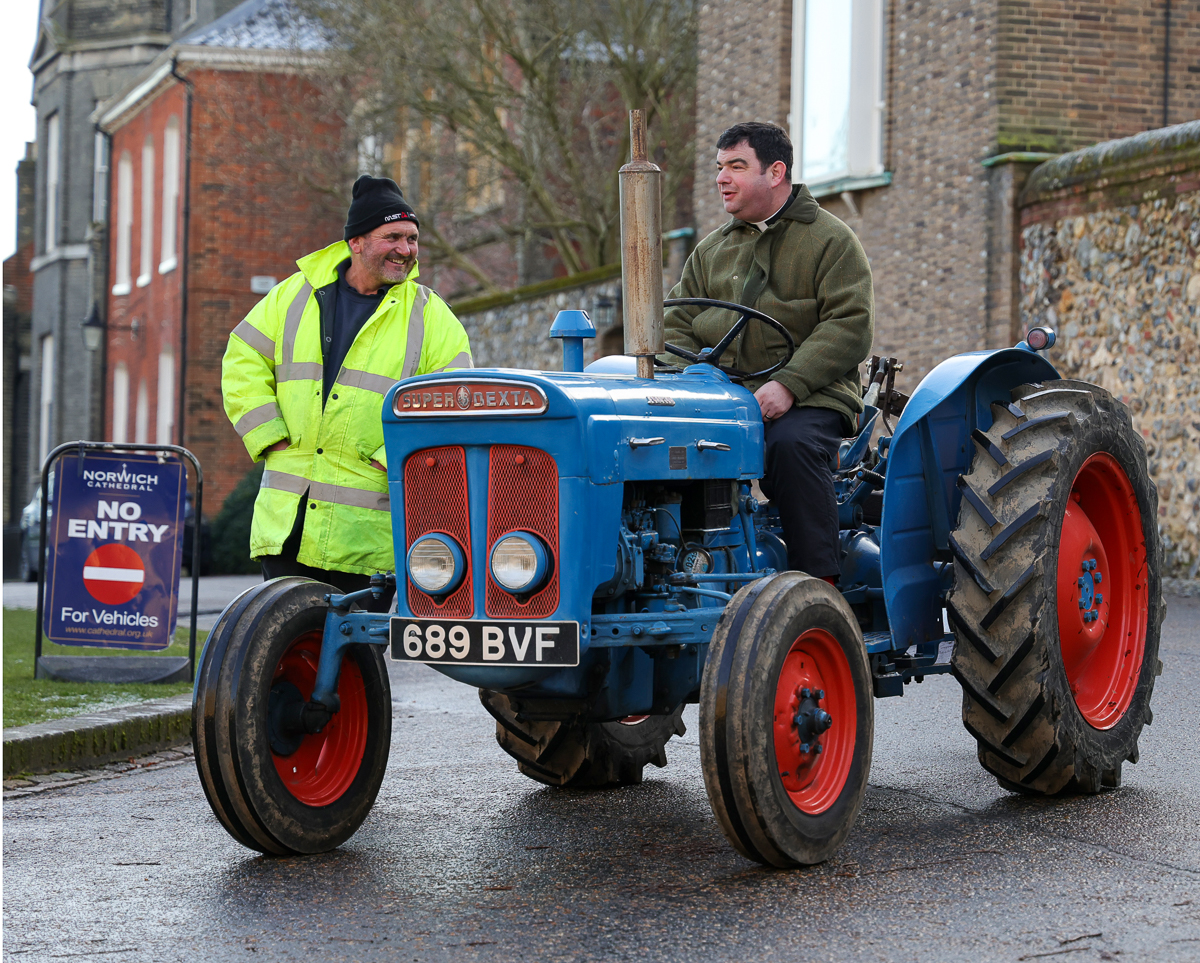
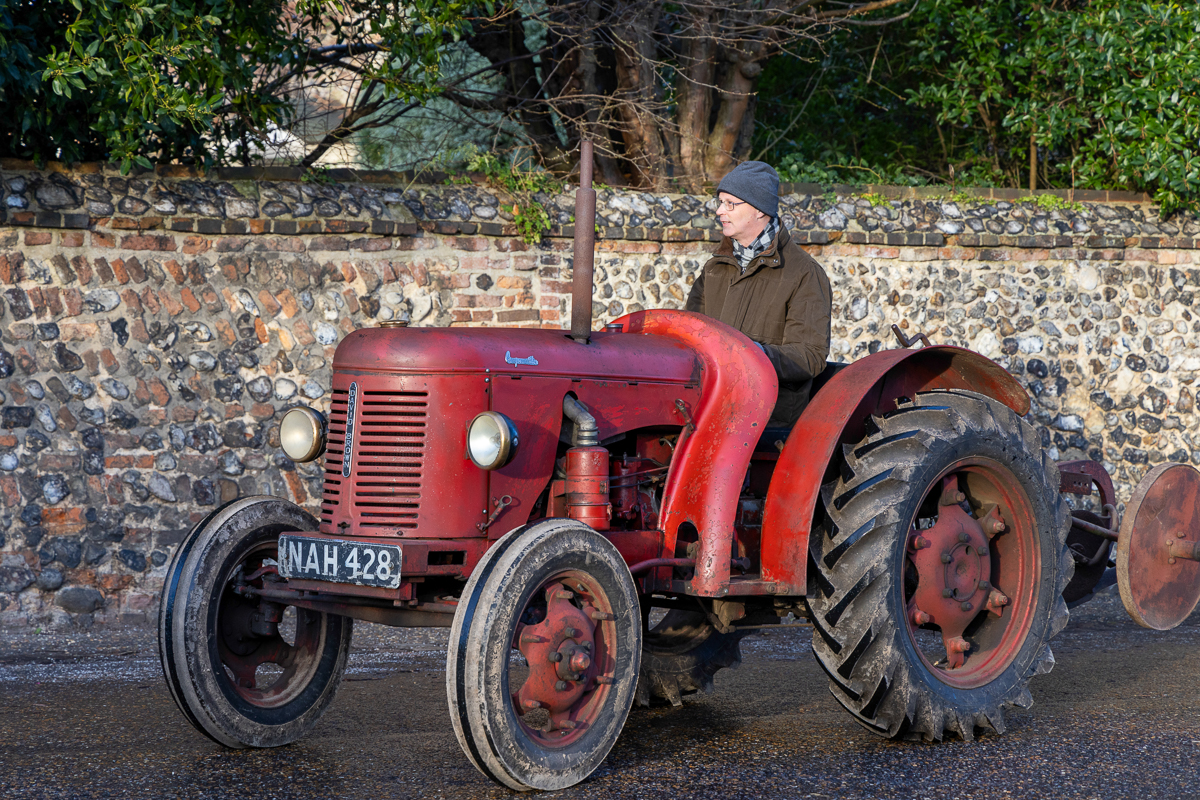
Closer examination of the pictures will reveal that one of the drivers happened to be the Precentor of the cathedral and those with really sharp eyes may notice that the red tractor was being driven by the Dean. Hope we are not seeing the beginning of a closed shop.
Plough Monday on the other hand was celebrated in the Cambridgeshire town of Whittlesey near Peterborough during the nineteenth century.
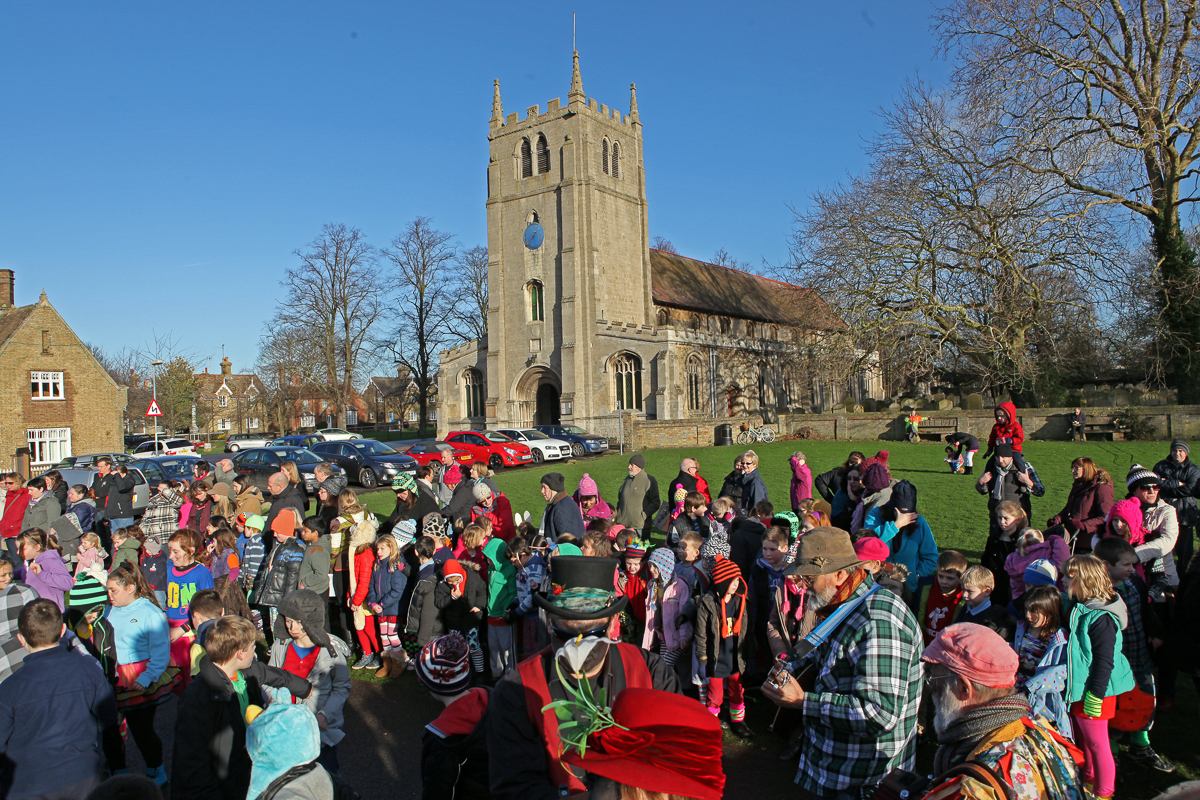
Men or boys would dress in a layer of straw and were known as straw bears.
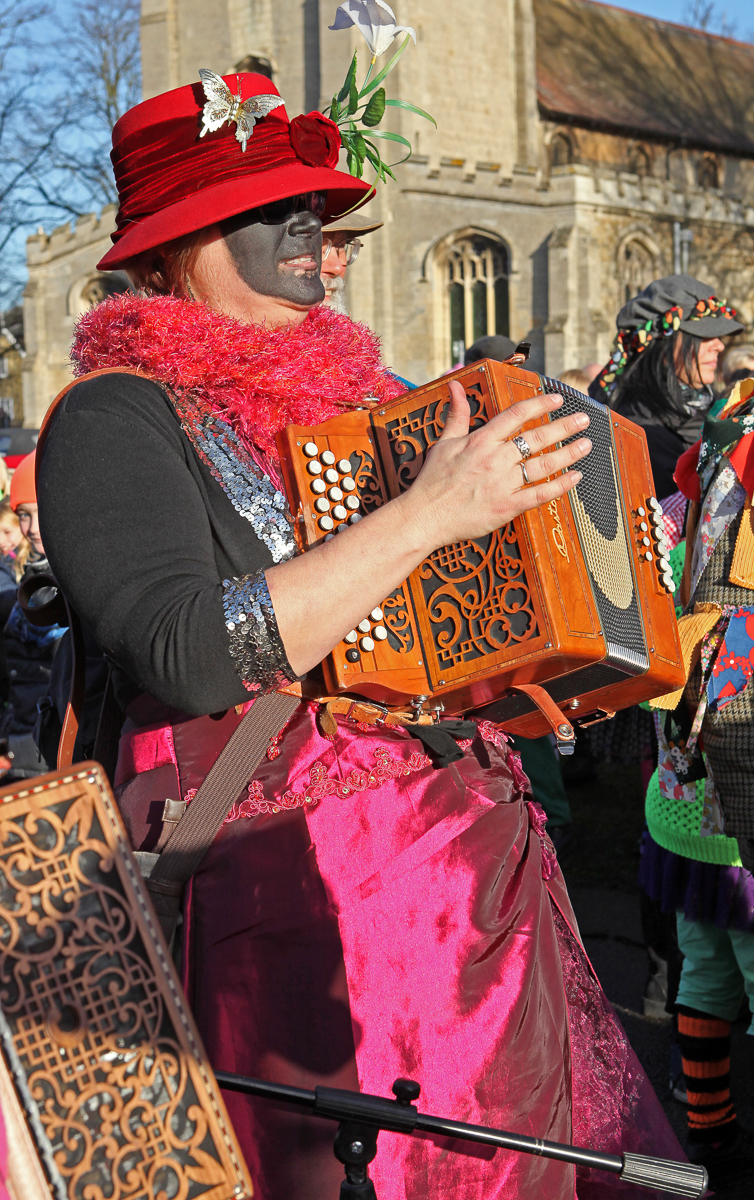
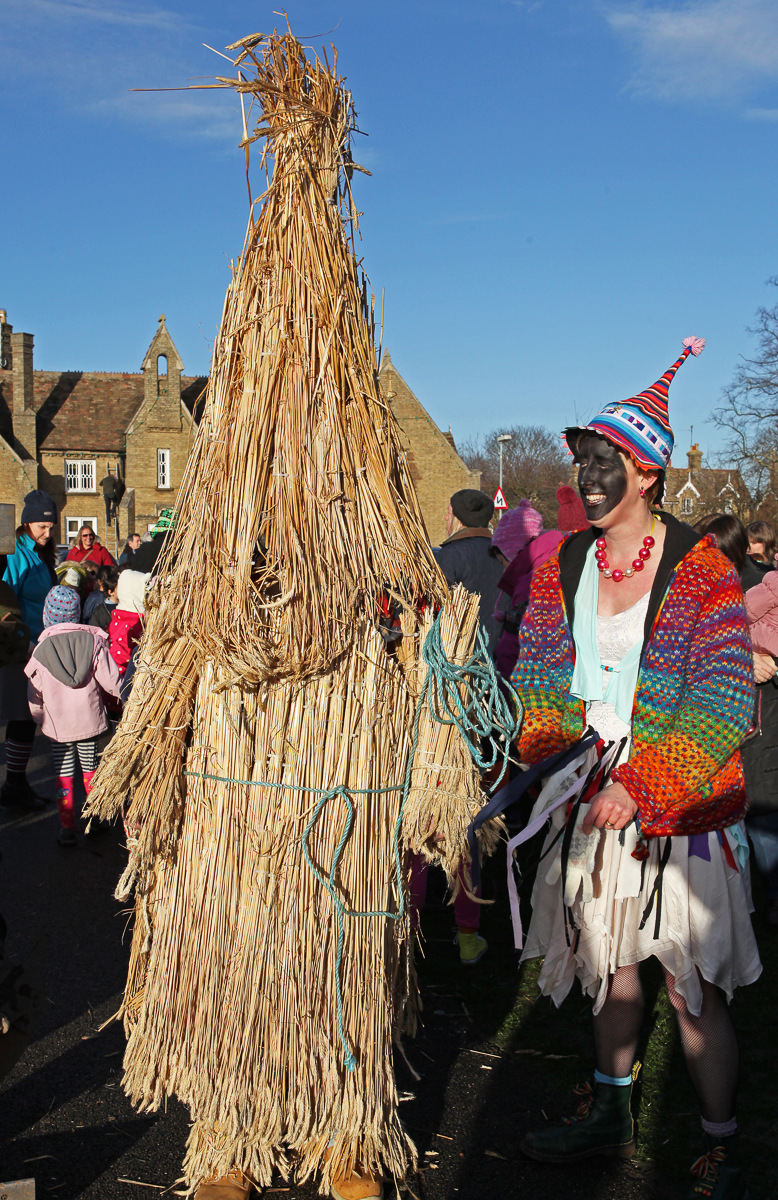
They went from door to door dancing for money. The tradition, which died out around the time of the First World War, was revived in 1980. Just to confuse everyone the revivalists selected Saturday as the day of celebration.
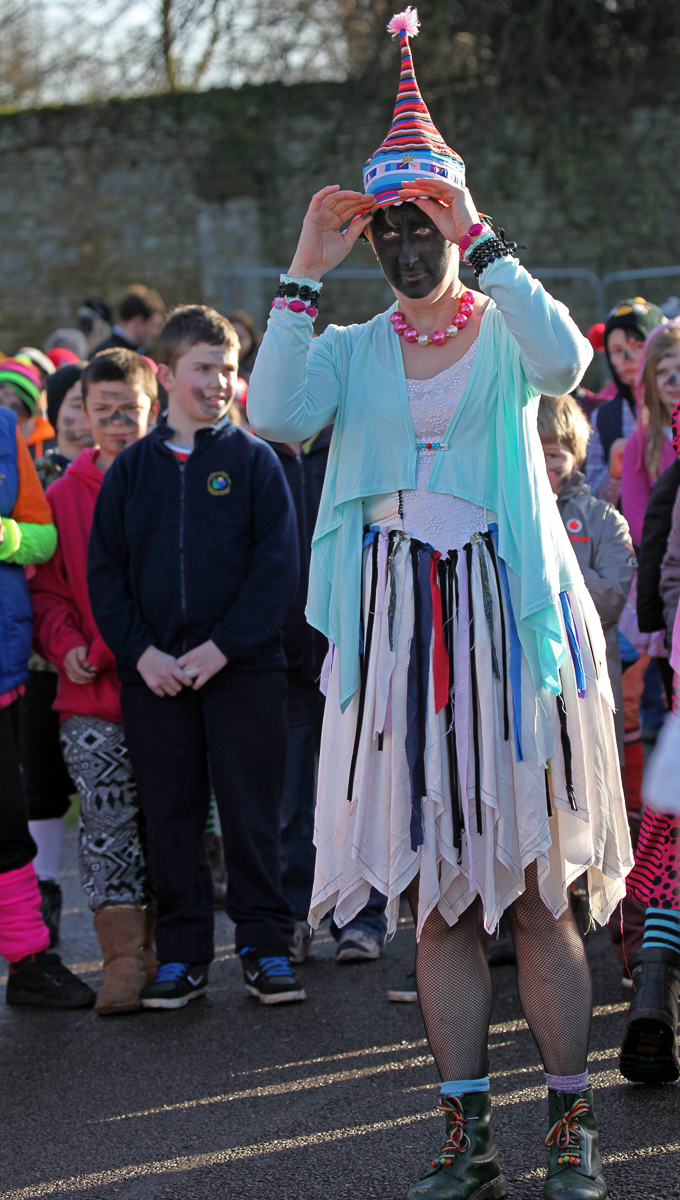
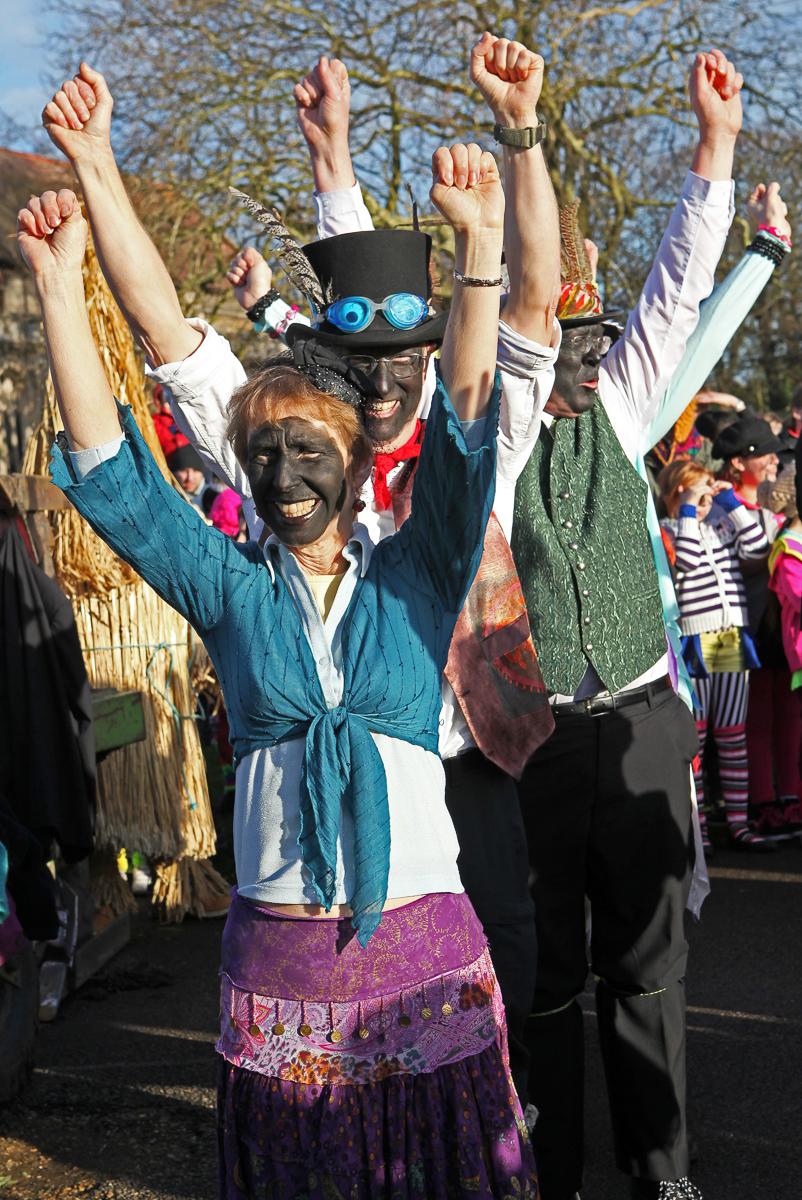
Conclusion – if you visit the right places you can engineer three days of mid-winter jollity – Saturday, Sunday and Monday! Only the British could sort it out that way, but in the circumstances is there any wonder that nobody really ploughs these days.